
Shukkeien Garden in Hiroshima: Pond Views, Seasonal Hours and a Compact Visit
On this page
- Understand the garden as a series of views
- Choose the option that fits your day
- Use the correct seasonal closing time
- Choose garden-only admission or a genuine pairing
- Bring the route down to the pace of your group
- Photograph the season you are actually visiting
- Connect the garden with the right city journey
- A compact garden-and-museum example
- Questions before a Shukkeien visit
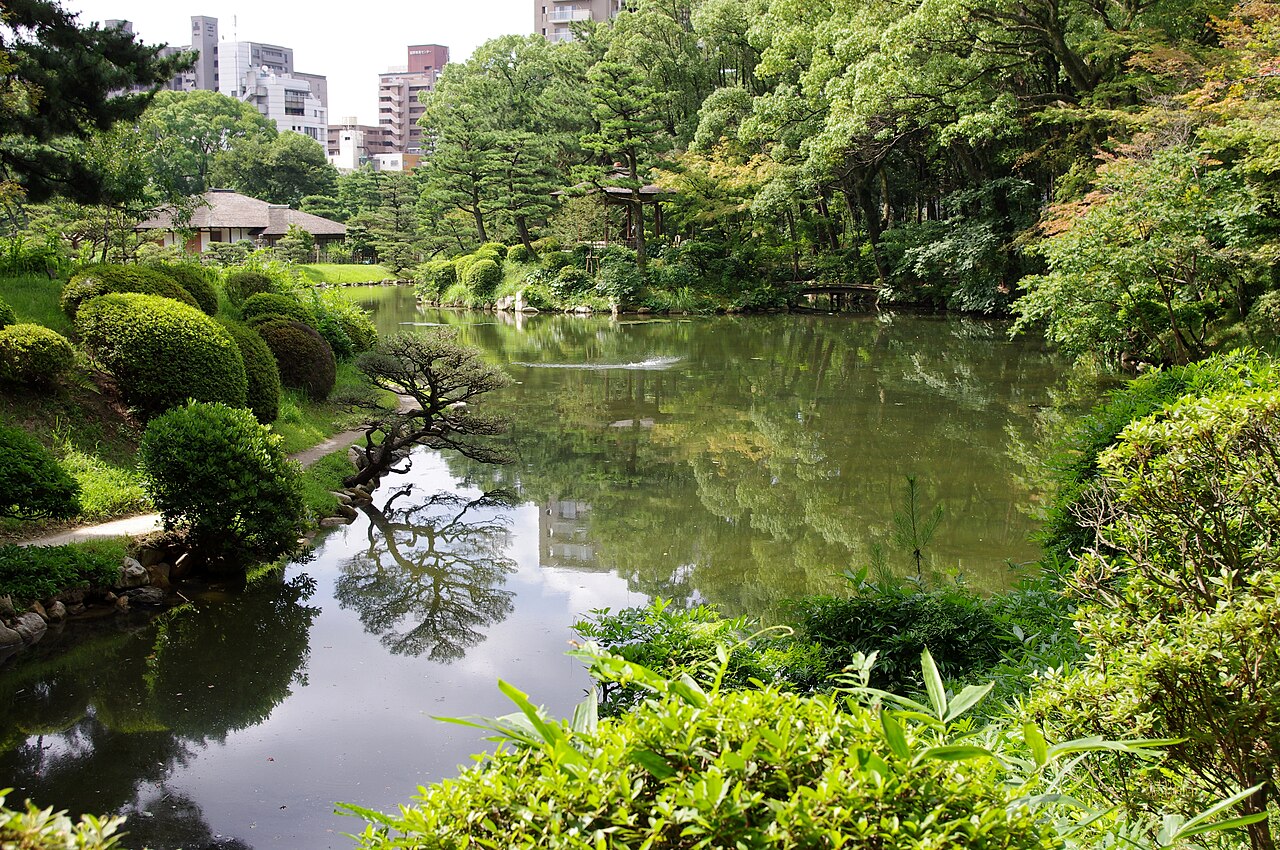

Shukkeien offers a garden-focused pause in central Hiroshima, with a pond, changing viewpoints and miniature landscape settings to explore at walking pace. Choose it as a main cultural stop or pair it with one nearby visit, rather than squeezing it between distant parts of the city. The garden operator's visitor guide gives seasonal hours and admission, while Hiroshima's official tourism page explains the garden's setting and access. Begin with the map and the day's closing window, then allow the scenery to set a slower pace.
Understand the garden as a series of views
The prefectural tourism guide explains Shukkeien's miniature-landscape idea: the garden brings together suggestions of mountains, water and other settings within a compact area. Look at how a view changes as you move along the paths rather than searching only for one famous photograph. A bridge, a bank of planting or a view across the pond can provide different ways to read the same space.
Choose a comfortable circuit from the entrance map and leave room to pause. You can enjoy a shorter section if walking ability, weather or time makes a longer route unsuitable. Follow the designated route and current signs. A visit becomes more interesting when you can stop at something unexpected instead of making every viewpoint compete with the next booking.
Choose the option that fits your day
| Your situation | Useful choice | Check before committing |
|---|---|---|
| A garden-led city pause | Choose garden-only admission and a comfortable circuit | Use the correct seasonal last-entry time |
| You also want the adjacent art museum | Check the exhibition and current ticket inclusions | Give the indoor visit its own admission window |
| A specific flowering scene inspired the trip | Read current seasonal information | Match the post’s month and event context to your date |
Use the correct seasonal closing time
The operator publishes different hours for the warmer and cooler parts of the year. From March 16 to September 15, the listed hours are 09:00–18:00 with entry until 17:30. From September 16 to March 15, they are 09:00–17:00 with entry until 16:30. It also lists closure from December 29 through December 31. Check current notices for your date, especially when considering a special programme.
Work backward from closing to the visit you want. A late entry may still leave room for a short circuit, while a leisurely garden visit needs a broader window. Put your meal, nearby museum or onward journey around that decision. Keep the garden's ordinary hours distinct from any seasonal evening opening shown in a social post.
Choose garden-only admission or a genuine pairing
The operator lists adult garden-only admission at ¥350 and separately describes a museum-set option. Choose based on what you want to visit and check the current included exhibition or conditions. A combined ticket is useful when both experiences appeal to you and fit the day; it should not create pressure to rush through one merely because it is included.
The adjacent Hiroshima Prefectural Art Museum can be a natural pairing, but give its programme and admission window their own attention. If the garden is the main interest, take enough time outdoors and keep the indoor visit optional. If the forecast suggests a shorter garden circuit, an indoor cultural stop may provide a useful second anchor after you have checked the actual exhibition.
Coach Ascanio shares Shukkeien’s planted landscapes and pond setting. View original
Bring the route down to the pace of your group
Choose shoes for the garden paths and take the forecast seriously when deciding how much to walk. A smaller circuit with a few good views is a complete option for someone who wants less distance. If step-free access is important, consult the site's accessibility or route information rather than assuming that every pond-side path and bridge suits the same needs.
Keep companions together at junctions, then agree on a clear meeting point if one person wants longer for photography. Move aside where possible when checking the map. The garden's scale makes it tempting to think that every stop is only a moment away, but a comfortable visit still depends on the surfaces, the group and the amount of time spent looking.
Photograph the season you are actually visiting
The appearance of the garden changes through the year. A plum-blossom post, an autumn-colour image and a greener pond view can all show the same place under different conditions. Choose a specific season if it is important to you, then use current official flowering or event information for the date. For a general visit, notice the planting and light that are present rather than comparing every scene with an image from another month.
Make a small set of varied photographs and leave room simply to walk. A wider pond view, a framed section of planting and a close detail can tell the story without repeating the same composition. Follow the garden's rules for equipment and visitor behaviour, and keep bridges and narrow paths usable for others.
Janna presents the garden as a nature-focused pause within Hiroshima. View original
Connect the garden with the right city journey
The official Hiroshima guide describes a tram approach using the Hakushima Line and Shukkeien-mae, as well as a sightseeing-bus option near the prefectural museum. Check the current service and route from your actual starting point. The final walking connection matters too, especially if you are arriving close to the garden's last admission.
For an onward train, include the return journey and bag collection before deciding on the last stop. If you are pairing Shukkeien with a memorial visit elsewhere in Hiroshima, allow both places an appropriate pace and purpose. A garden pause can be valuable precisely because it creates a different part of the day, rather than becoming another rushed item in the same itinerary.
A compact garden-and-museum example
For example, a visitor checks the seasonal garden hours and chooses a late-morning circuit with time for photographs. They leave the adjacent museum as an option after looking at its current exhibition. If the garden holds their attention longer, they keep lunch simple and shorten the optional indoor visit. The return to the station remains visible in the plan. Their day is organised around the experiences they want, rather than around completing every possible ticket combination.
Setouchi Trip introduces the garden’s history and scenery. View original
Questions before a Shukkeien visit
Does the garden close at the same time all year?
The operator publishes seasonal hours and separate last-entry times. Check your date against that schedule and read any current special-opening notices.
Is the art museum included in garden admission?
The operator distinguishes garden-only admission from a museum-set product. Check the ticket's actual inclusions and the museum programme before choosing.
Do I need to recreate the full garden route?
Choose a circuit that fits your pace and available time. A shorter visit with room to look can be more enjoyable than rushing through every path.
Can I use a winter blossom post to plan another season?
Use it to understand the place and to choose a possible future season. For the visit you are making now, use current official notices and appreciate the garden's present conditions.
Guide Hiroshima shows plum blossoms in February, a seasonal scene to distinguish from other visiting months. View original