
Fukuroda Falls: Choose Your Viewing Platforms Before the Return Train
On this page
- Start with the station-to-waterfall connection
- Choose the option that fits your day
- Understand what the tunnel ticket gives you
- Build a circuit that suits your footing and energy
- Photograph the water you actually find
- Choose a season without promising a particular scene
- Fit lunch and a nearby stop around the main visit
- A practical day from arrival to departure
- Questions to settle before you go
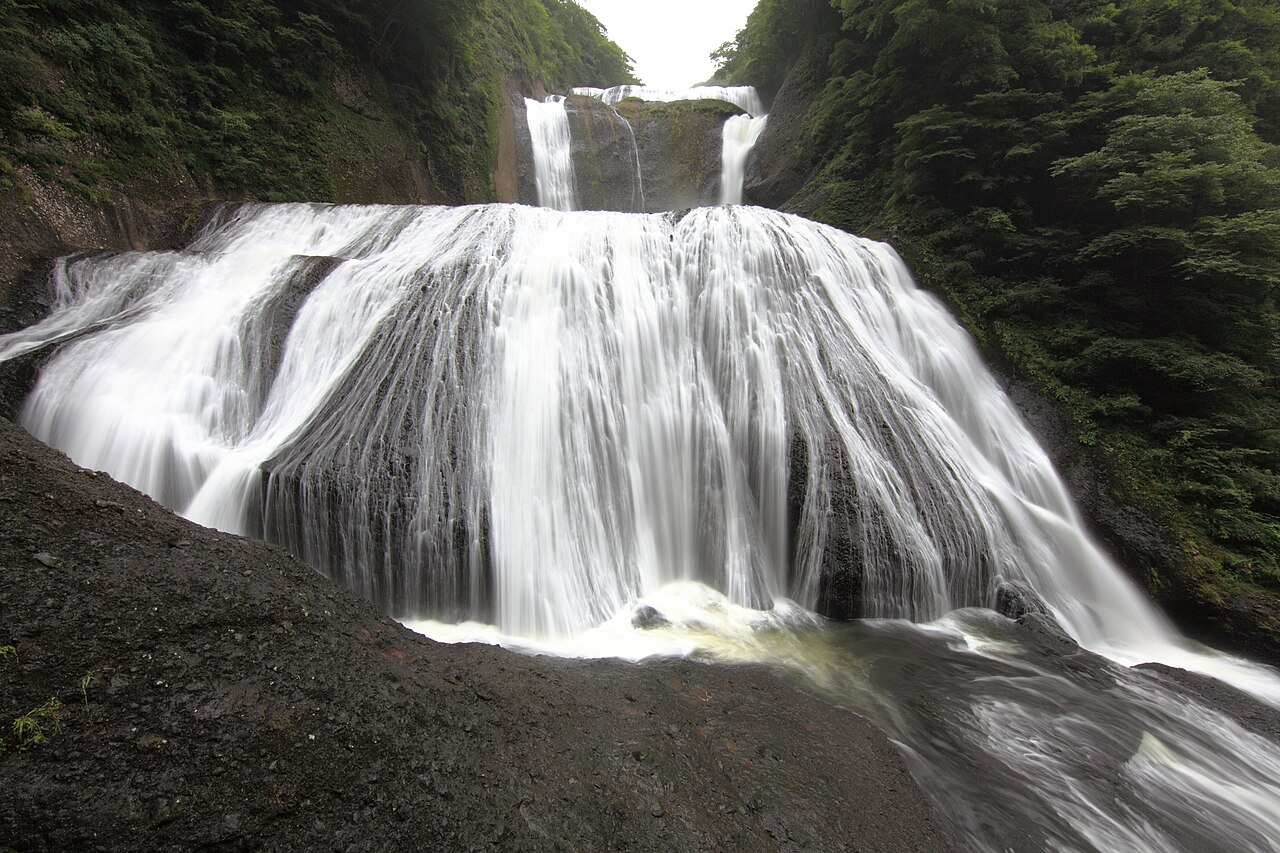

Plan Fukuroda Falls around the journey from Fukuroda Station, the tunnel's two viewing areas, and a return connection you can comfortably reach. The waterfall fills a broad, stepped rock face in northern Ibaraki, so the experience changes markedly between the close frontal view and the higher overview. Giving both viewpoints room in the day is more useful than treating the visit as a single photograph between trains.
Start with the station-to-waterfall connection
Fukuroda Station is the rail gateway, but the waterfall is beyond the station rather than beside its platforms. The Daigo Tourism Association describes the bus journey to Takimoto, followed by a walk to the visitor area. It also lists walking and taxi approaches. Think of these as different plans: a bus connection that fits your train, an independently arranged taxi, or a longer walk that forms part of your outing.
Before leaving your accommodation, save the railway journey and the local bus timetable together. Check the direction as well as the stop name. A bus returning to Fukuroda Station is useful for one rail plan; a service toward Hitachi-Daigo may suit another. Arriving at the wrong stop with a screenshot of an unrelated departure can turn an otherwise relaxed waterfall visit into unnecessary waiting.
If you choose to walk from the station, account for the outward and return walks before allocating time to the falls. The tourism association gives an approximate forty-minute walk, which is an access estimate rather than a personal guarantee. Your pace, luggage, weather and stops along the way all matter. A taxi can shorten that road section, but arrange availability rather than assuming a line of waiting cars.
Choose the option that fits your day
| Your situation | Useful choice | Check before committing |
|---|---|---|
| Close encounter with water | First observatory | Expect conditions to vary with water flow |
| Overall cascade composition | Second observatory | Ask staff about the precise access route |
| Evening illumination | Dated event programme | Arrange the return beyond ordinary daytime services |
Understand what the tunnel ticket gives you
Fukuroda's distinctive visitor arrangement is the tunnel leading to two observatories. According to the local tourism association, the first observatory faces the middle tier at close range, while the second provides a higher perspective. This makes the tunnel more than a passage to an outdoor photo point: it determines how you see the cascade and how the visit flows.
Use the first viewpoint to appreciate the rock surface, the movement of water across it, and the closeness of the setting. Then consider the higher viewpoint for the overall composition. You do not need to decide which image is more impressive before arriving. The value is the change of scale, from the sound and spray of a near view to a clearer understanding of the stepped formation.
Read the current entrance notice for operating hours, last admission and any restrictions before joining the queue. The English tourism page publishes different seasonal hours, while older travel posts may show previous prices and schedules. Use the operator's current Japanese notice if it provides a newer update. Budget for the tunnel separately from transport, parking, food and any other experience you add.
Yukikuu96 records a March 2022 Fukuroda visit, reflecting on the close view and the changing seasonal scenery. View original
Build a circuit that suits your footing and energy
After the viewing platforms, the suspension bridge and riverside setting can give the visit a satisfying outdoor ending. The tourism association describes a bridge connection to the opposite bank and a path beside the stream. Look at the actual signs when you emerge, because the route you can comfortably follow matters more than tracing every line of a map.
A sensible short circuit is tunnel, chosen viewpoints, then an available riverside route back toward the approach. A longer mountain outing is a separate decision. Trails toward the surrounding hills involve a different commitment from the tunnel visit, and should be planned with the appropriate daylight, footwear and current trail information. Seeing a staircase does not mean it is the quickest exit to your bus.
If anyone in your group finds stairs difficult, ask staff about the precise route to each viewing area before paying. The tourism association mentions wheelchair assistance; ask which branches and platforms you can reach with your own mobility needs. Describe your needs concretely: a continuous step-free route, room to turn, a manageable gradient, or a place to sit. This produces a more useful answer than asking whether the entire destination is simply accessible.
Photograph the water you actually find
Fukuroda can look very different from one visit to the next. Green foliage, autumn colour, a partly frozen rock face or stronger water flow each change the balance of the view. Choose your composition from the conditions in front of you. Trying to reproduce a particular seasonal image can make you overlook the lines and textures that are most interesting on your own day.
At the close platform, begin with a broad view before looking for smaller details in the rock and water. At the higher viewpoint, allow the shape of the entire cascade to guide the frame. Put the camera away while moving between positions, especially where the floor is damp or other visitors are passing. A clear lens cloth is useful when spray reaches the viewing area.
For family photographs, agree on a stopping place first and keep the shared passage open. A quick image from a comfortable position is usually easier than repeatedly asking people to pose while the crowd changes around them. If you want longer exposures or additional equipment, check the local restrictions and the space available. For drone photography, check local flight permissions separately from the walking-visit arrangements.
Japan Videography records a partly frozen Fukuroda landscape filmed in February 2022. View original
Choose a season without promising a particular scene
The official tourism description highlights the surrounding scenery through the seasons and the possibility of an icefall in winter. That possibility is part of the attraction, but freezing is a natural condition rather than a ticketed feature delivered every day. For an ice-focused trip, inspect the latest local condition report before committing to the journey and prepare for the actual temperatures on the approach.
Autumn visitors should think about the whole day rather than a single colour forecast. Travel time, entrance queues, lunch and the return connection share the same daylight. Keep one flexible element that you can shorten if the road or entrance is busy. A waterfall-first plan followed by lunch is easier to adjust than a fixed restaurant reservation squeezed between two tightly timed buses.
If an evening illumination is your main interest, use the dated event announcement rather than ordinary daytime hours or an old video. Confirm which facilities are included, when entry ends, and how you will leave afterward. A daytime bus service does not automatically become an evening service when an event runs. Staying locally can change that calculation, but the road transfer still needs to be arranged.
DRONE47 documents an authorised aerial production commissioned by Daigo; this perspective is different from the public walking route. View original
Fit lunch and a nearby stop around the main visit
The approach area offers opportunities to pause, browse and eat. Decide whether lunch is the flexible reward after the falls or an essential booking in your day. If you are working around a limited bus connection, save the return departure before entering a restaurant and leave enough time to settle the bill and walk back to the correct stop.
Do not automatically attach another distant attraction because it appears nearby on a regional map. Northern Ibaraki's scenery is spread across roads and valleys; a second destination can require transport that is different from the station-to-waterfall link. If you are using public transport, one complete Fukuroda visit with an unrushed meal can make a better day than two abbreviated sights separated by uncertain transfers.
For drivers, identify the parking location and the pedestrian route from it. A parking pin is not necessarily the tunnel entrance, and different lots can leave you with different walks. Keep the car's location saved and include the walk back when you judge how much time remains. In cold or wet conditions, that final section deserves as much attention as the view itself.
A practical day from arrival to departure
For a first visit, arrive with one clear priority: see the cascade from the tunnel viewing areas. On reaching Takimoto or your chosen parking place, orient yourself before starting the approach. Note the return stop, use the restroom if needed, and confirm the day's entrance information. These small decisions allow you to concentrate on the falls once you enter.
Inside, let the viewing sequence set the pace. Spend time at the close view, then add the higher view if the route and conditions suit your group. Afterward, choose between a short outdoor circuit and a direct return toward the shops. Treat the optional branch as optional even if it looked attractive in a video; your actual return connection is the constraint that matters.
Finish the sightseeing portion before the last possible moment. Have a drink, check that everyone has their belongings, and walk to the stop with enough time to identify the direction. If you have arranged a taxi, agree on a precise pickup point. The day should end with a comfortable transfer rather than a rushed search for a vehicle or an unfamiliar path back to the station.
Japan Videography records a 2014 autumn illumination, distinct from the current event programme. View original
Questions to settle before you go
Can I visit without a car?
Yes, the tourism association describes rail access through Fukuroda Station and a local bus to Takimoto, with a walk afterward. Choose the service that fits your actual railway journey and plan the return at the same time. Walking or an arranged taxi are alternatives with different demands on time and energy.
Is the higher platform the only worthwhile view?
No. The close first observatory and higher second observatory offer different relationships with the falls. Prioritise the route your group can comfortably use, then add another viewpoint if conditions and time allow. The visit does not need every possible branch to feel complete.
Should I rely on a winter or night video for today's conditions?
Use videos to choose the experience that interests you, then use the current tourism and event information to plan it. An older icefall or illumination record describes a particular occasion. Today's water flow, freezing, entry arrangements and transport need their own check.