
Getting Around Kobe Without a Car: Match the Bus Loop to Your Day
On this page
- Draw the day as districts, not a list of landmarks
- Choose the option that fits your day
- Understand CITY LOOP and Port Loop as separate services
- Buy a day ticket only when the route supports it
- Use walking where it improves the visit
- Keep the return journey separate from sightseeing loops
- Change the plan when rain or wind changes the waterfront
- A compact no-car day in practice
- Questions before boarding in Kobe
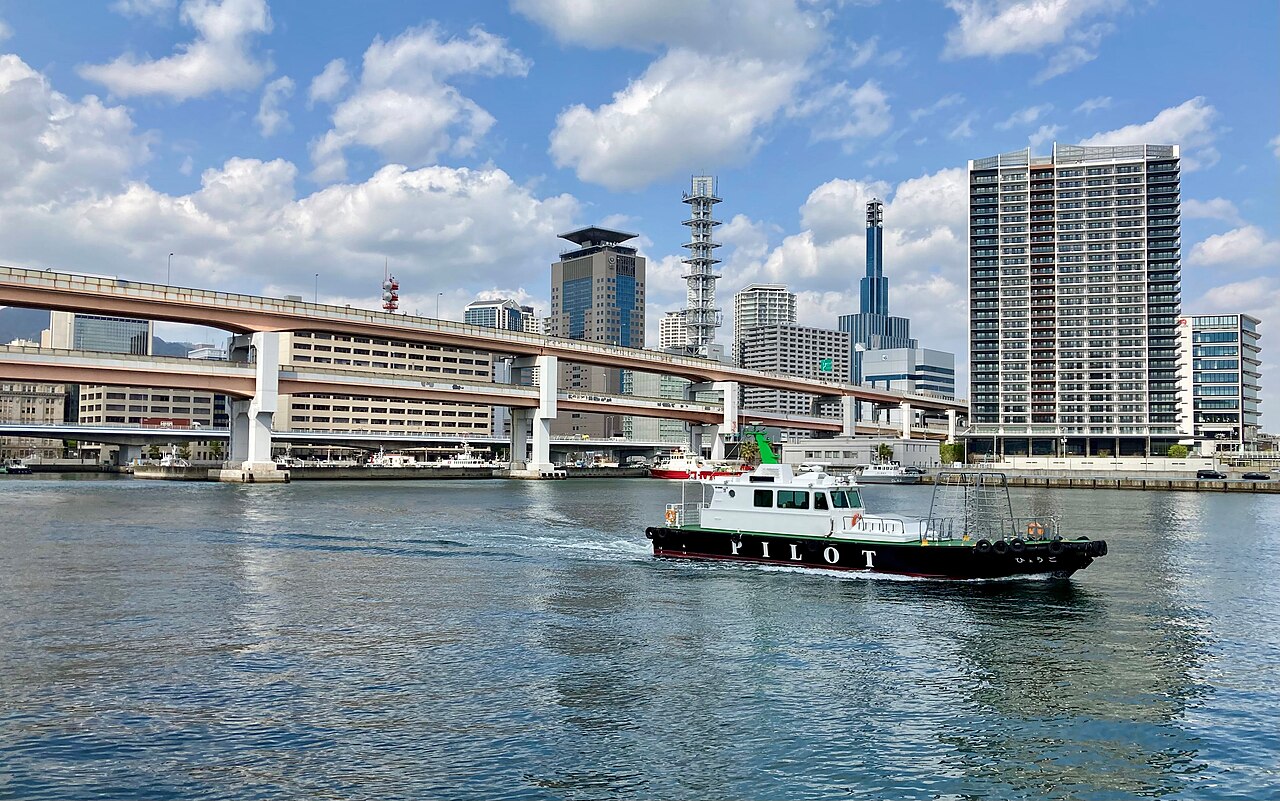

You can plan central Kobe without renting a car by grouping the places you want to visit and choosing transport for the gaps between them. The CITY LOOP and Port Loop are different sightseeing-bus services, while rail and walking can work better for individual journeys. Start with your arrival station, your main district and the place where you will finish. The city's public-transport directory and the CITY LOOP operator's ticket information are useful checks before buying a pass.
Draw the day as districts, not a list of landmarks
Kobe's station area, the slopes around Kitano and the waterfront create different kinds of movement. A route that looks compact on a city overview may still involve a climb or a long return at the end. Group your stops before choosing tickets. For a waterfront-focused visit, concentrate on the harbour district rather than adding every hilltop viewpoint to the same afternoon.
Write down your must-see stop and one optional stop in the same part of the city. Then decide where lunch and the return station fit. This keeps the route useful for people who prefer shorter walks. It also helps you recognise when a bus is solving a genuine transport problem and when you are boarding simply because you have already bought a pass.
Choose the option that fits your day
| Your situation | Useful choice | Check before committing |
|---|---|---|
| Mostly one waterfront district | Compare a direct connection with walking | Do not add rides just to justify a pass |
| Several sightseeing-bus journeys | Check a suitable combined ticket | Read route coverage and activation conditions |
| Mountain excursion | Make a separate operator and weather plan | Do not assume central-city bus validity covers mountain transport |
Understand CITY LOOP and Port Loop as separate services
The official Kobe transport directory lists both services, and the CITY LOOP ticket page explains that there are tickets which also cover Port Loop. Check the precise product before assuming that similar names mean identical coverage. A single ride, a combined day ticket and a railway pass can have very different validity even when they all appear in the same tourism search.
Use the operator's route map to identify your boarding point and destination. Note the service name as well as the stop name. If you are travelling with someone else, share that information before the group splits up. A photograph of a green sightseeing bus is not enough to establish that it is the correct vehicle for your next stop or that it accepts the ticket in your hand.
Buy a day ticket only when the route supports it
Compare the journeys you actually expect to make with the ticket's current price and eligible services. If the day consists of one outward ride and a pleasant walk back, a pass may offer less value than it first appears. If several separate bus journeys are central to the plan, the convenience of a suitable day ticket can matter as well as the arithmetic.
Count realistic rides, not every stop on an ambitious draft itinerary. Leave out optional journeys that you would only take to justify the pass. Check whether the ticket is a calendar-day product and how it must be shown or activated. Do not activate a digital ticket while merely browsing if the operator's process starts its validity at that point. Read the screen before confirming any purchase yourself.
Kubo Tabi introduces átoa, an indoor waterfront destination to locate on the transport map. View original
Use walking where it improves the visit
Transport is most useful when it saves an awkward connection or a tiring climb. Within a compact district, walking may let you stop for photographs and food without repeatedly finding a bus stop. Match that choice to the whole group. A short downhill walk for one traveller may still be unsuitable for another person's knees, wheelchair or pushchair.
Check the detailed approach to the venue rather than measuring only the distance between district names. Look for the entrance you intend to use, the station exit and any lift information that matters to you. If access is uncertain, contact the venue or operator instead of describing the route as step-free based on a general city map. Keep one simpler alternative that stays within the same district.
Keep the return journey separate from sightseeing loops
A loop bus can be enjoyable during the day without being the best choice for a tight connection afterward. Locate the railway station you need for the next city and work backward from the departure. If your final stop is on the waterfront, confirm how you will get from that exact location to the correct station and platform.
Do not assume that the bus you used earlier will still be convenient when the visit ends. Service hours and waiting time matter, and a circular route may travel farther than you expect between two nearby points. If time is short, compare the direct rail or walking route shown by the operator's access information. Build room for collecting luggage before entering the station rather than adding that task after calculating the connection.
Tabitoko Kansai shares an evening átoa visit as inspiration for choosing the waterfront part of the day. View original
Change the plan when rain or wind changes the waterfront
An outdoor harbour walk and a museum-led afternoon are different plans. In poor weather, choose the indoor stop first and use the bus or railway to connect it with a meal and the return journey. Do not keep every outdoor landmark merely because the route looked good on a clear-day social post. Conditions at the water can make an exposed stretch less pleasant than a sheltered street nearby.
If a mountain visit is part of the trip, treat its transport as a separate decision. A central-city loop ticket should not be assumed to cover every cable car, ropeway or distant connection. Check the relevant operator and weather notices for that excursion. A day that remains around central Kobe can still be complete without adding a rushed trip into the hills.
A compact no-car day in practice
For example, two visitors arrive by train, choose one city-centre experience and then spend the afternoon around the harbour. They compare the relevant loop-bus stops with a direct walking or rail connection. They buy a combined ticket only if the journeys they genuinely want are covered. Before dinner, they check the route back to their departure station and choose a collection time for any stored bags. Their transport plan follows the places they want to enjoy instead of becoming an attraction checklist of its own.
Kaomu visits átoa in Kobe, offering another view of a potential indoor anchor. View original
Questions before boarding in Kobe
Are CITY LOOP and Port Loop the same bus?
No. Treat them as separate services and check the current route map. Some ticket products cover both, but that must be confirmed for the exact ticket rather than inferred from the names.
Do I need a sightseeing pass for a short visit?
Not necessarily. Compare the rides you will actually take. A ticket can be convenient without being the best value for a day mostly spent walking in one district.
Can I rely on the loop bus for a close train connection?
Check the timetable, direction and final service carefully. Keep a return margin and compare a more direct connection if necessary. Your onward train and luggage collection should not depend on an unverified last bus.
Can the same ticket cover a mountain excursion?
Read the validity conditions for each transport service. City buses, railways, cable cars and ropeways are not interchangeable products. Confirm the separate excursion before building it into a central-city day.
Rirako introduces the aquarium at Kobe Port Museum, a destination to compare with the current route map. View original
Travel videos from All Japan
Popular YouTube posts
 a weekend in onomichi | a seaside ghibli town with 25 temples, cats and cafesSam and VictorYouTube · 1,554,513 views
 Moments in Kyoto - Sakura | Real Beauty Cherry Blossoms Kyoto Japan 京都の桜 着物美人と夜桜 京都観光FindYourJPYouTube · 1,077,763 views
 3 MORE Days in Tokyo on a BudgetLisa and JoshYouTube · 412,362 views
 Train Trip Through Hidden Japan | From Senzu to the Most Beautiful Station in Shizuoka | JAPAN VLOGRiri TravelsYouTube · 166,594 views
 Hakone Day Trip from Tokyo: Mt. Fuji Views, Hot Springs & Museums!Tokyo CheapoYouTube · 163,549 views
 Where to Stay around TOKYO Station for $50 → $3000 | Hotels & AccommodationONLY in JAPAN * GOYouTube · 151,078 views
 72h Mt. Fuji Road Trip 🇯🇵 From Tokyo to Fuji-san 🗻 Japan2Passports 1DreamYouTube · 130,359 views