
Visiting Dejima in Nagasaki: Historic Buildings, Exhibits and a Clear Arrival Plan
On this page
- Give the trading-post visit a clear purpose
- Choose the option that fits your day
- Choose an entrance and save the exact location
- Move between exterior views and interior interpretation
- Plan admission and facilities as separate decisions
- Use photographs to understand the streetscape
- Pair Dejima with one nearby part of Nagasaki
- A visit with room for the exhibits
- Questions before visiting Dejima
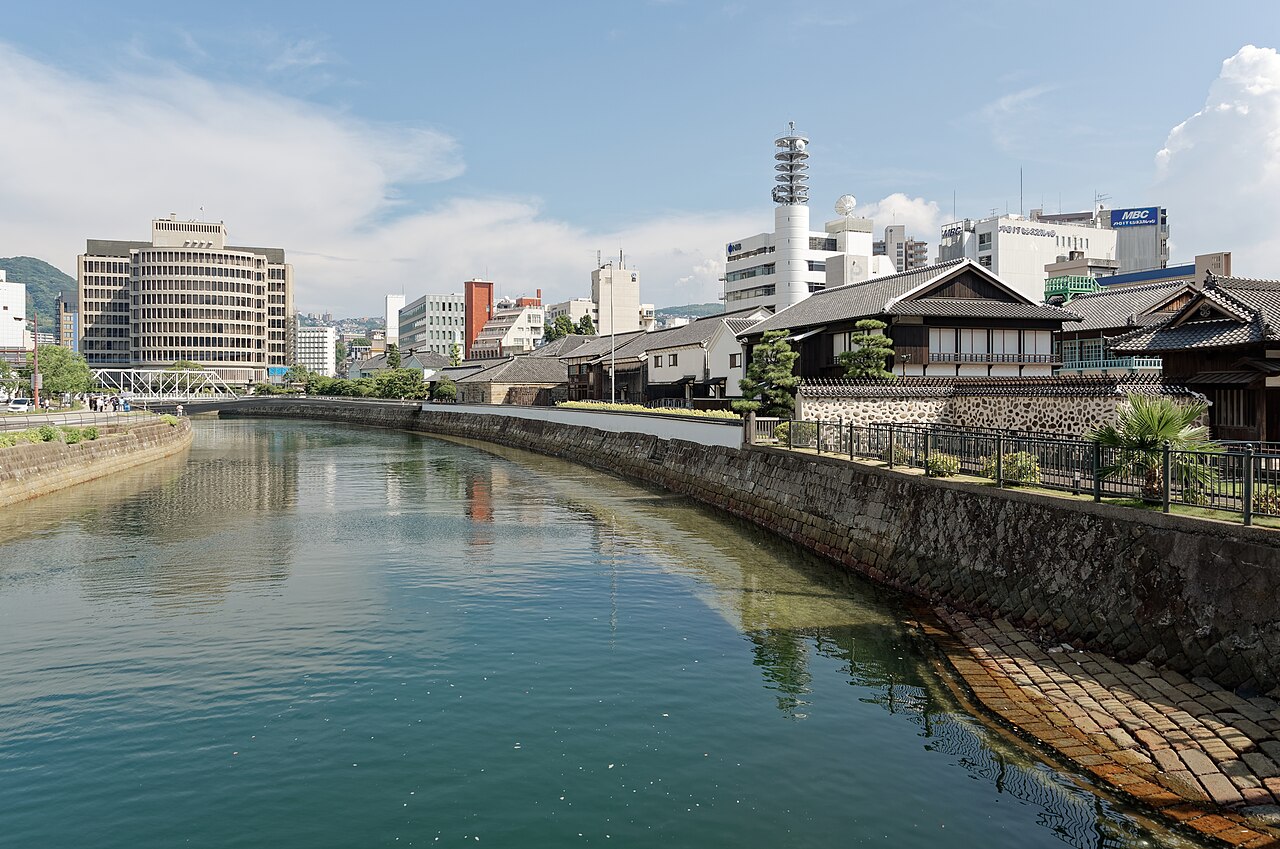

Visit Dejima as a historic trading-post site in the middle of Nagasaki, with time to move between restored buildings and interpretive displays. Choose the entrances and the amount of history you want to explore before deciding how it fits the rest of the city day. The official Dejima website and its visitor information publish the current admission and opening arrangements. The site lists opening until 21:00 with entry closing at 20:40, but individual facilities have their own hours. Arriving at the final admission time and making a substantial visit are different plans.
Give the trading-post visit a clear purpose
Decide what interests you most: the reconstructed streetscape, the interiors, the history of international exchange or the objects and explanations in the displays. This gives you a useful route through the site. You can spend longer with one subject instead of treating each building as an identical stop on a checklist.
Read the official introduction before arrival so the buildings have context. Dejima's story concerns the controlled trading relationships of early modern Japan and the way people, goods and knowledge moved through Nagasaki. Explore the site with that theme in mind. A brief architectural visit and a more detailed historical visit can both work, provided you make time for the experience you actually want.
Choose the option that fits your day
| Your situation | Useful choice | Check before committing |
|---|---|---|
| Main interest is the historic layout | Start with a broad streetscape view | Add the displays that explain your chosen theme |
| You want a detailed history visit | Leave room for reading and several interiors | Shorten an optional next attraction rather than rush the site |
| A late visit is planned | Check site and facility hours separately | Give the actual visit room after the final admission check |
Choose an entrance and save the exact location
The official visitor information identifies the site's entrances and exits and gives its address in Dejima-machi. Save the entrance you intend to use together with your arrival route. A nearby tram stop or a general map pin for Dejima is useful, but it should lead to a public entrance rather than simply to the nearest edge of the site.
If you are moving through Nagasaki by tram, check the current line and stop for your actual journey. Keep the final approach separate from the ride itself. Travellers with mobility requirements should consult the site's access information for the route between entrances and buildings. The fact that the site is central makes it convenient to locate, while the details of individual interiors still deserve their own check.
Move between exterior views and interior interpretation
Begin with the site's layout, then choose a building or display that explains the part of the story you are most interested in. Alternate the wider street views with time inside. This gives variety to the visit and keeps the experience from becoming a sequence of similar exterior photographs.
Read signs that distinguish reconstructed settings, surviving material and displayed objects. They help explain how the present visitor site relates to its historical form. If you are visiting with a companion who wants a shorter experience, agree on one or two main interiors and an outdoor circuit. You can then decide together whether to continue, rather than leaving one person waiting without knowing how much remains.
Phongphanblue introduces Dejima’s historic setting in Nagasaki. View original
Plan admission and facilities as separate decisions
Check the official admission information for the ticket you need and any current notices. If you want a guided experience, read its actual language, time and meeting arrangements rather than assuming that a general entry ticket includes one. The same principle applies to a special event shown on the site's news page: choose that programme deliberately if it matters to the visit.
The restaurant and museum shop have their own service windows. A late site opening can support an evening visit, but it is not a reason to assume every facility operates until the gate closes. If a meal or a purchase is important, arrange that part first and leave enough time for the buildings afterward, or make the indoor historical visit earlier and eat elsewhere later.
Use photographs to understand the streetscape
Take a broad view before focusing on details. The relationship between the building fronts, paths and displays helps you understand the site more effectively than isolated close-ups. Then choose a few details that connect to what you have read inside. This gives the photographs a story and reduces the pressure to copy every angle from a social post.
Follow the photography guidance in each building and keep visitors' paths clear. A picture taken from outside the site can be useful for orientation, while an image from inside shows a different perspective. Keep those contexts distinct when choosing your own view. A creator's caption about history can inspire a question to investigate in the exhibits without replacing the site's interpretation.
Luni Travels shares a visit to the former trading-post site in the modern city. View original
Pair Dejima with one nearby part of Nagasaki
Choose a next stop that fits the direction of the day instead of adding every well-known city attraction. A meal, a short central-city walk or another carefully selected cultural visit can make a coherent pairing. Put the two entrances on the map and compare the actual connection. If one is a timed booking, protect its arrival window.
Keep travel to a different district as a separate decision. A full day across Nagasaki involves more transport than a compact Dejima-led visit. If the history displays hold your interest for longer than expected, shorten the optional next stop. That is a better use of the day than hurrying through the reason you chose Dejima in the first place.
A visit with room for the exhibits
For example, a traveller chooses Dejima as the cultural anchor of an afternoon. They save the entrance, check the current ticket information and begin by understanding the layout. After visiting their main displays, they spend time on the streetscape and decide whether to enter another building. A nearby meal remains flexible, while the onward tram or station journey is checked before the final stop. The visit has enough space for discovery without depending on the last possible entry time.
Nagasaki Marriott introduces Dejima as part of its local art-and-history series. View original
Questions before visiting Dejima
Is Dejima an outdoor-only photo stop?
Plan for both the wider streetscape and the buildings or displays that interest you. The historical interpretation is a substantial part of the experience, so leave room to read and explore.
Does a late opening mean all facilities close together?
Check the restaurant, shop, individual programme and gate information separately. Use the conditions of the particular service you want rather than a single site-wide assumption.
How should I choose a visit length?
Choose the subjects and interiors that matter to you, then allow for walking and reading. A quick exterior circuit and a detailed history visit are different uses of the same site.
Can I combine Dejima with other Nagasaki sights?
Choose a nearby pairing and verify the connection. Keep more distant districts as optional or separately planned parts of the day, especially when you have a fixed departure afterward.
Small Arms 45 shares Dejima’s buildings and trading-history context. View original