
Naritasan Shinshoji and the Park: A Temple-Town Walk With a Clear Return
On this page
- Choose a town visit before choosing an airport excursion
- Choose the option that fits your day
- Save the correct station and meeting point
- Give the temple a respectful, unhurried visit
- Add the park only after checking your return
- Decide how lunch belongs in the day
- Read the posts for route context
- Questions to settle before leaving
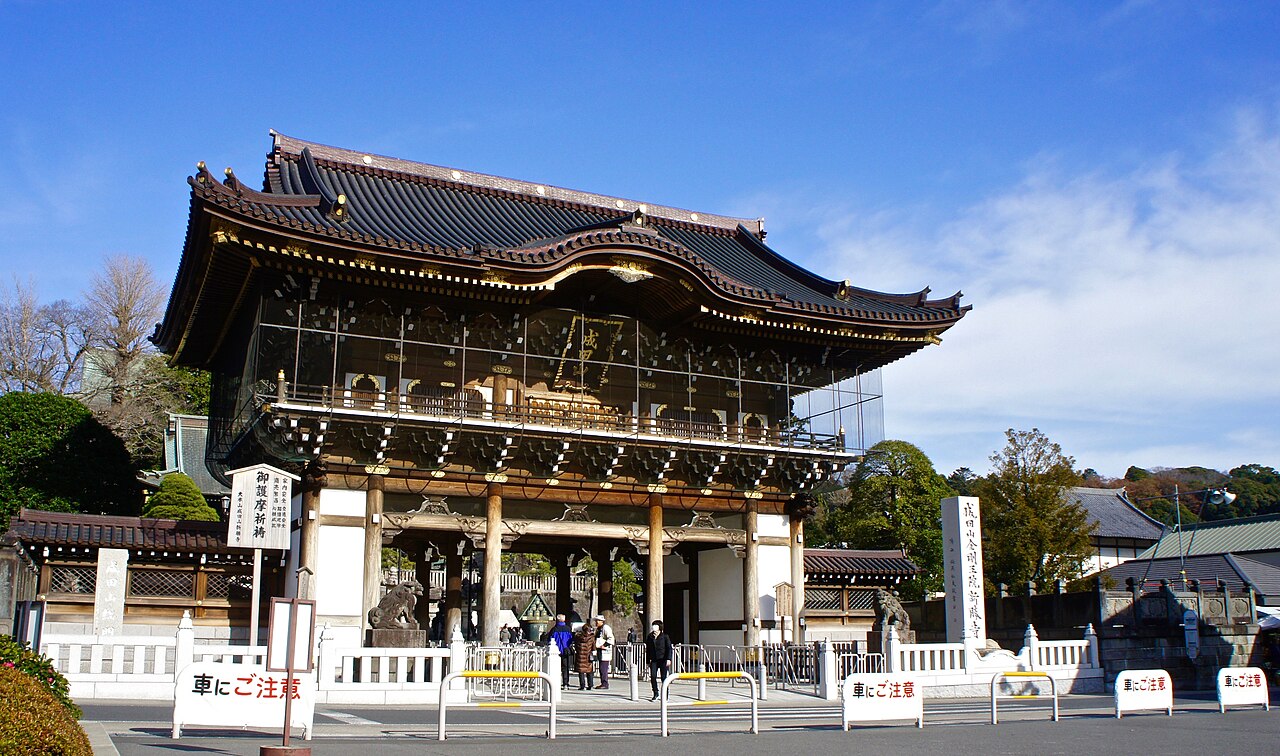

For an independent Naritasan outing, connect JR or Keisei Narita Station with Omotesando, visit Shinshoji and then decide how much of the park fits your energy and return time. The town is an enjoyable destination in its own right. If you are coming from the airport, immigration, luggage and the terminal return are additional tasks that must fit outside the walk, rather than disappearing inside a station-to-temple estimate.
Choose a town visit before choosing an airport excursion
Narita's tourism material presents a temple-town approach from the stations along Omotesando. This is different from an itinerary that begins and ends in an airport terminal. Travellers staying in Narita can give the streets and temple an easy morning or afternoon; passengers between flights need a much firmer return calculation. Decide which situation describes you before copying an itinerary with a broad label such as a short layover.
For an airport excursion, first resolve whether you can enter Japan, what happens to your luggage and when you must be back for the airline's procedures. Those answers depend on your journey. They are not established by a video showing a short train ride. If the airport tasks leave an uncomfortably narrow window, keep the town for another visit. A good temple walk should not depend on every queue and connection behaving perfectly.
Choose the option that fits your day
| Your situation | Useful choice | Check before committing |
|---|---|---|
| Staying in Narita town | Stations, Omotesando and temple as the shared route | Add the park according to energy |
| Visiting between flights | Resolve entry, bags and the terminal deadline first | Only the remaining window is available for town |
| A particular lunch is essential | Give the restaurant a defined place in the outing | Keep a nearby alternative for a long queue |
Save the correct station and meeting point
JR Narita and Keisei Narita are separate stations near the temple-town approach. Save the one your chosen service uses, along with the exit or meeting point agreed by the group. A station name that looks familiar is not enough when you return with shopping, a meal running late or a train departure approaching. Use the current railway information to connect the town with the actual airport terminal or onward city you need.
The approach street is part of the experience. Shops, food and the gradual movement toward the temple make the outward walk different from an efficient transfer. Let yourself look, but decide whether you want lunch before or after the temple. If the meal is important, choose a restaurant deliberately and keep a nearby alternative. A popular queue should replace optional browsing rather than consume the time reserved for getting back to the airport.
For a group, agree on what happens if people want different shops or walking speeds. A clear meeting point and return time are better than trying to track each other through every doorway. Keep the main temple visit together if that is the shared purpose, then allow independent browsing on the way back. This also helps anyone who would prefer to save energy for the temple and park rather than spending it all on the approach.
Taro Ishida identifies Naritasan Shinshoji in this original post. View original
Give the temple a respectful, unhurried visit
Shinshoji is an active religious place as well as a visitor destination. Follow the signs and the instructions for the halls or services you enter. A public courtyard, a place of worship and a scheduled ritual are not interchangeable spaces. If a ceremony is your main interest, check the temple's current information for the actual time and visitor arrangements, then organise the town walk around that rather than expecting a performance whenever you arrive.
At the grounds, use the available map to orient yourself before following the crowd uphill. Choose the main hall and one or two additional points that interest you. Notice the differences in scale, decoration and setting instead of treating every building as an identical photo opportunity. Leave clear passage for worshippers and other visitors, especially around stairs, gates and entrances. A moment spent looking quietly can be more memorable than another hurried photograph.
The area includes changes of level. Plan the route for the people travelling with you, not for the pace of a video camera. For anyone avoiding steps, investigate the actual alternative access rather than assuming a route from an overview map. If the group has already walked a long way from the station, take a pause before adding the park. The temple can remain the main experience even when you choose a short outdoor continuation.
Add the park only after checking your return
Naritasan Park offers a different rhythm from the approach street and temple courtyards. It can be the quieter part of the visit, but it is an addition with its own walking effort. Before entering a longer circuit, check your remaining time and the route back to the station. A park path that descends pleasantly still requires a plan for leaving; avoid following an attractive slope without understanding how it reconnects with your finish.
Choose a modest loop or a specific return point that everyone understands. Seasonal scenery can guide your interest, but a picture from another month does not promise the same colour today. Use the current map, follow path notices and shorten the route when rain or tiredness makes that sensible. You do not need to traverse the entire park to enjoy a calm contrast with the busier temple-town streets.
For photography, keep the return simple enough that you can stop without repeatedly checking the clock. If the airport deadline is tight, replace a longer park extension with a short pause nearer the main route. That preserves the purpose of the excursion: enjoying Narita's atmosphere. A scenic circuit that leaves you anxious about the terminal return is not an improvement over a shorter, comfortable visit.
Yuichi Takasaka identifies a November 2026 visit to Shinshoji in Narita. View original
Decide how lunch belongs in the day
Omotesando's food can be a reason to come, not merely something to squeeze into the gap after sightseeing. If a particular meal matters, give it a defined place in the outing and check the restaurant itself for opening and service. A social post showing a dish establishes neither today's wait nor a table for your party. Keep a simpler meal available as an alternative if the main queue would take over the schedule.
For a town-based visit, lunch can become a relaxed ending after the temple. For a flight-based visit, consider whether eating earlier makes the return more predictable. Avoid placing several uncertain activities in a row at the end: a queue, shopping, bag collection and an unfamiliar station all draw from the same buffer. One flexible food decision is easier to manage than a plan that requires every desirable stop to work exactly as imagined.
Take purchases into account too. A little extra walking with bags can feel different from the outward trip. Keep essential documents and your transport plan easy to reach, and remember which station serves the journey you booked. If someone wants more shopping, agree on a final meeting point rather than moving the entire group back and forth along the street.
A separate Taro Ishida post offers another record of the temple. View original
Read the posts for route context
The attached original posts identify the temple and its setting, and the walking video describes a route from JR Narita Station. They are useful for choosing what interests you along the approach. Their filming dates do not establish today's service arrangements, ceremony schedule or restaurant opening. Read the original caption for context and use the relevant operator for the decision that actually affects your journey.
Video Street View Japan describes the approach from JR Narita Station to Shinshoji. View original
Questions to settle before leaving
How much spare airport time is enough?
There is no single safe number for every itinerary. Include entry procedures, the outward and return transport, your airline's deadline, luggage tasks and a real delay allowance. Only the remainder is available for the town. Keep the walk short enough that a normal delay does not threaten the flight.
Must I include the whole park?
No. A temple visit and the approach street already form a coherent outing. Add a park section when the group has the time and energy for it, with a clear route back. Choosing a shorter circuit is a practical design decision rather than a failed visit.
Should I arrive at JR or Keisei Narita?
Use the station served by your chosen train and save its meeting point. The useful answer depends on the rest of your journey, including the airport terminal or onward destination. Do not swap the names casually simply because both appear on a town overview map.
Travel videos from All Japan
Popular YouTube posts
 Nara🇯🇵 Discover the Magical City Where Deer and Temples Coexist | 4KDuckTravel走鴨旅行YouTube · 3,262,121 views
 Lost in an Anime-Like World of IKOMA #Nara 🐈 | JAPAN TRAVEL VLOGMei TimeYouTube · 439,809 views
 A day trip to NARA 🦌 Nara Deer Park, Todai-ji Temple, Viral Mochi 🍡 [Nara, Japan] 🇯🇵Sunny in JapanYouTube · 179,628 views
 Let's go to Nara Park & Todaiji Temple! + Eating Authentic Tsukemen Ramen 🇯🇵 | JM BANQUICIOJm BanquicioYouTube · 121,893 views
 THE Asakusa Guide: Sensoji Temple, Must-Try Snacks, and a Secret Bar Street?! 🍡🍻PiQtour JapanYouTube · 112,952 views