
Yokohama Evening Itinerary: One Waterfront Walk, Dinner and a Simple Return
On this page
- Choose the view that matters most
- Choose the option that fits your day
- Arrive before the walk becomes a rush
- Build dinner into the route, not onto its end
- Use the harbour views without promising a light show
- Shorten the outdoor section in wind or rain
- Choose the return station before the final photograph
- An evening that stays manageable
- Questions about Yokohama after dark
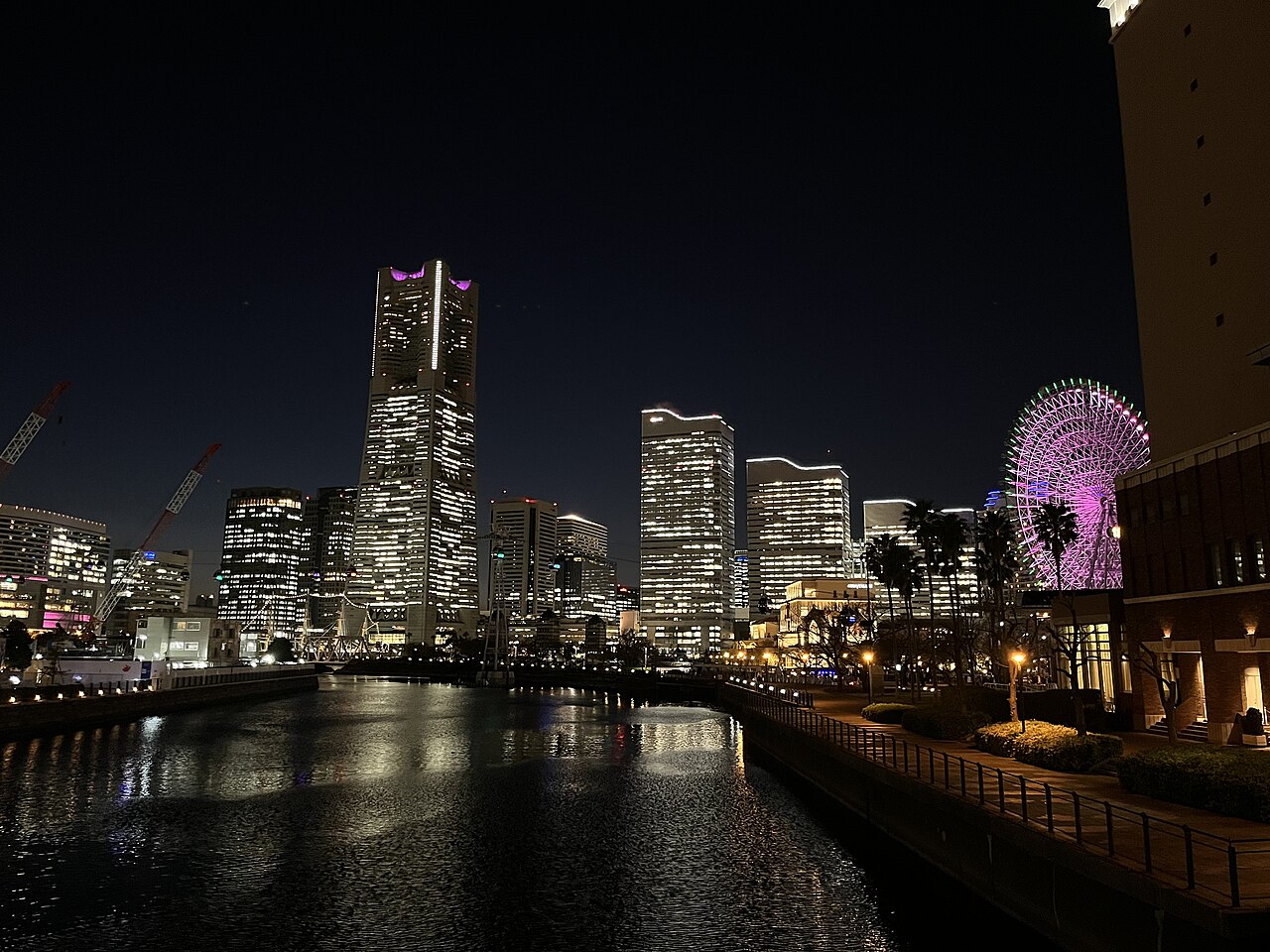

For an evening in Yokohama, choose a waterfront district and enjoy it after the lights appear instead of trying to cover the whole city between sunset and your last train. Yamashita Park, the Red Brick Warehouse area and Minato Mirai offer different settings for a night-view visit. The official Yokohama night-view itinerary introduces those places and the harbour scenery around them. Use it to select a walk, then add dinner and the station you will use afterward. A seasonal illumination can be an extra, but it should not be assumed to operate every night of the year.
Choose the view that matters most
Start with the photograph or atmosphere you actually want: an illuminated ship and park setting, the historic waterfront buildings, or the Minato Mirai skyline. These are related experiences, but they do not require an identical route. Pick one as the centre of the evening. If your main goal is a relaxed dinner with a harbour view, do not fill the time before it with a lengthy walk in the opposite direction.
The official visitor guide describes Yamashita Park's views toward Hikawa Maru and Osanbashi and identifies waterfront locations around Minato Mirai and the Red Brick Warehouses. Put your preferred viewpoint and dinner location on the same map. This makes it easier to judge whether an extra stop is a natural continuation or a detour that will take over the evening.
Choose the option that fits your day
| Your situation | Useful choice | Check before committing |
|---|---|---|
| A relaxed dinner-led evening | Pick a restaurant close to the preferred view | Keep an alternative meal in the same district |
| A photography-led evening | Choose one skyline or harbour setting | Check sunset and avoid relying on an unverified event programme |
| Wind or persistent rain | Shorten the exposed section | Bring the meal forward and check the return connection |
Arrive before the walk becomes a rush
Choose an arrival time that gives you room to find the waterfront and orient yourself. If you want to see the change from daylight to illuminated buildings, check the sunset time for your actual date and leave space for an unhurried arrival. A photograph taken on a summer evening does not tell you when darkness falls during your winter visit.
Use the first part of the visit to establish the return route. Find the station entrance you expect to use later, identify the direction toward dinner and check whether any timed booking limits the walk. Travellers arriving from Tokyo should avoid treating the outbound rail journey as the only transport task. You also need a workable connection back from the district where the evening ends.
Build dinner into the route, not onto its end
Choose whether dinner comes before or after the main night-view walk. Eating first can work well if the group is arriving hungry or with children; walking first may suit a booked restaurant whose service begins later. Either arrangement is easier when the meal is close to your chosen district. Reserve if the particular restaurant and date require it rather than assuming a waterfront table will be available on arrival.
For a flexible meal, identify more than one option before you set off. If the first restaurant is full, choose a nearby alternative instead of travelling across the city in search of a famous name. Check closing times for food service separately from the opening hours of the surrounding complex. A shopping building remaining open does not mean every kitchen accepts orders until the same time.
HIS USA introduces Kanagawa views, including city scenery that can inspire a Yokohama visit. View original
Use the harbour views without promising a light show
Permanent city scenery and scheduled illumination events are different things. A night-view route can still be worthwhile without a special programme, but a social video may feature an installation or event that is not present on your date. If YORUNOYO is the reason for your trip, consult the event's official information for its current period, participating locations and performance arrangements.
Do not build a precise viewing timetable from a clip without checking when it was recorded. Decide whether you want to wait at one location or keep walking between ordinary harbour viewpoints. The latter is often simpler for a mixed group. You can still enjoy reflections, building lights and the changing skyline without spending the entire visit chasing a sequence of performances.
Shorten the outdoor section in wind or rain
The waterfront is an outdoor environment. Bring the layers and rain protection appropriate to your forecast, and be ready to reduce an exposed walk if the conditions are unpleasant. A compact plan with a meal and one viewpoint adapts more easily than an itinerary linking every park and pier. Check access notices when bad weather affects the area rather than assuming an attraction is operating because its lights are visible.
Keep a nearby indoor option in mind. That might be an earlier dinner, a cafe or a shopping visit appropriate to the district and its current hours. The aim is to make the evening comfortable, not to claim that every waterfront connection is sheltered. If someone in the group needs lifts or step-free access, check the actual entrance and route before committing to the walk.
Jesse shares a Cup Noodles experience that belongs to a separately checked daytime plan before an evening walk. View original
Choose the return station before the final photograph
Your departure station should fit the end of the evening. Record the station name, railway line and route from the last planned stop. Check the final useful connection for your destination rather than relying on the general idea that trains run late. A transfer-dependent journey can require an earlier departure than a direct one.
If you have luggage elsewhere, put collection into the route now. Do not discover after dinner that you must cross back to a different station before the storage service closes. When travelling as a group, agree on a point at which the walk ends even if one person wants more photographs. You can make a calm decision there instead of separating unexpectedly along the waterfront.
An evening that stays manageable
For example, a couple chooses the Minato Mirai skyline as the main view and books dinner nearby. They arrive while there is still enough light to find the route, take a short waterfront walk and then eat. If the wind becomes uncomfortable, they shorten the walk rather than cancelling dinner or adding a long transfer. Before leaving the restaurant, they check the actual journey back to their accommodation. The evening has one clear visual focus and a practical finish.
The 5 World Explorers visit the Cup Noodles Museum as a possible earlier activity in Yokohama. View original
Questions about Yokohama after dark
Can I visit every waterfront landmark in one evening?
You can move between several places, but decide whether the time spent walking serves your goal. One district, a meal and a main viewpoint often make a more relaxed visit than a complete sightseeing checklist.
Is YORUNOYO part of the normal night view?
It is a scheduled event with its own official information. Check the current dates and programme. Do not infer its availability from a social post or from the fact that the waterfront has ordinary lighting.
Should I book a harbour cruise?
A cruise is a separate timed activity. Check the operator, boarding point, conditions and return time, then decide whether it replaces part of the walk. Do not add it to an already full evening without making room.
What is the most useful return check?
Find the last connection that actually reaches your destination, including transfers. Then work backward from the final waterfront stop and any luggage collection. That is more useful than knowing only the last departure from a nearby station.
Experience JAPAN shows the custom-noodle activity; check its own schedule before adding a daytime booking. View original