
Sankeien in Half a Day: Plan the Garden Before the Waterfront
On this page
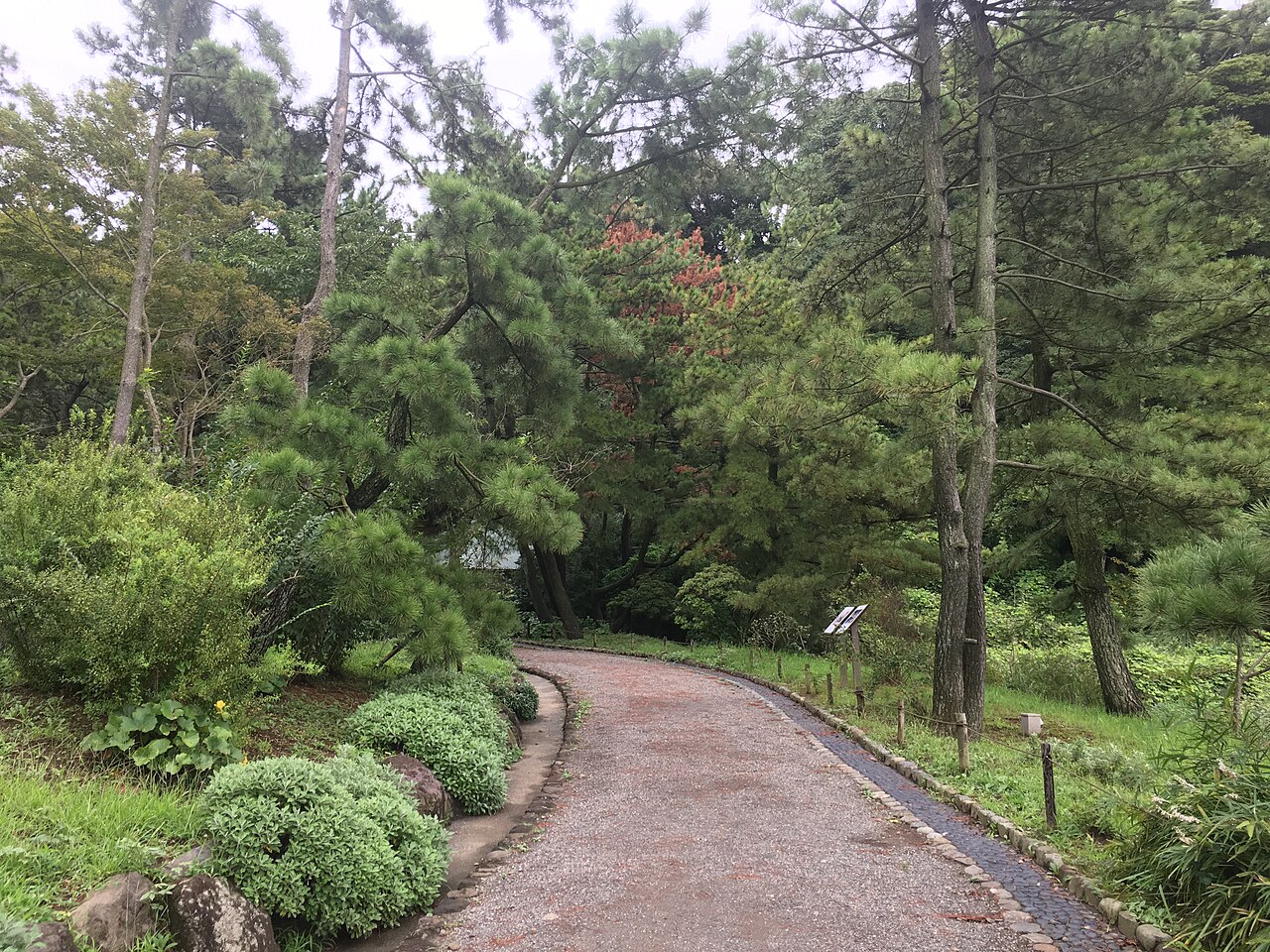

Give Sankeien its own half-day shape: travel to the Honmoku area, explore the outer and inner garden according to the current map, and keep one meal or waterfront stop as the flexible addition. The garden's historic buildings and landscape need a different rhythm from a quick central-Yokohama promenade. Sorting the bus approach and the open interiors first makes the visit much easier to enjoy.
Choose landscape, architecture or a special opening
Sankeien combines a Japanese garden with historic buildings assembled by Hara Sankei. The operator distinguishes the outer garden from the inner garden, which once served the family's private use. That distinction is useful for planning: an outwardly familiar pond-and-pagoda photograph is only one part of the property. Decide whether your main interest is the broader landscape, the buildings, or a particular dated programme before trying to assign time to every corner.
For an architecture-led visit, identify the buildings you most want to understand and check which are open. Exterior viewing, ordinary interior access and a special opening are different experiences. A photograph of an open room from another season cannot establish access today. If one particular interior is the reason for your trip, make that information the first planning check, then build the rest of the circuit around the confirmed opportunity.
Choose the option that fits your day
| Your situation | Useful choice | Check before committing |
|---|---|---|
| Landscape is the main interest | A pond-led circuit through the open garden areas | Use the visitor map and choose optional climbs |
| A historic interior is essential | Read the building-specific opening notice first | Separate exterior access from special interior openings |
| Continuing to the waterfront | Choose one onward district after the garden | Save the bus stop and useful connection |
Get the bus approach right
Sankeien is in Yokohama's Honmoku area, so include the final road journey and the walk from the stop when comparing routes from your hotel or station. The operator's access guide identifies Sankeien-Iriguchi as one approach with a final walk. Save the actual entrance you intend to use, not merely the garden name in the centre of a large map pin. Check the current bus directions linked by the garden before choosing your departure point.
The return deserves the same attention. Confirm the stop location and direction for your onward destination while you still have a clear view of the route. A plan to continue toward the waterfront is different from returning directly to a railway station. If the day has a fixed dinner or train, use that requirement to choose the exit strategy rather than discovering after the garden that you have walked toward the wrong connection.
For families or a mixed-energy group, keep the road approach simple. A long walk from a station might be acceptable to a keen walker but use up another traveller's energy before the garden begins. Saving a little effort on access can leave much more room for the landscape itself. Store large luggage before coming, and bring only what you are comfortable carrying through a substantial outdoor visit.
Oniwastagram introduces Sankeien’s historic architecture and garden setting. View original
Use the current notices to choose interiors
The operator's site lists ordinary opening from 9:00 to 17:00, with last admission at 16:30. It also carries building-specific notices, including suspension of public access to the former Yanohara residence and future major work on the former Tomyoji pagoda. These are reasons to read the named notice for your own date. They do not mean the entire garden is closed, nor should an old visitor video be used to promise every interior remains available.
Special openings and exhibitions can make a particular day more appealing. Treat them as dated additions with their own conditions. If you want a tea-related service, check its actual operating days as well: a building may be visible when its refreshment service is unavailable. Separate what you can walk past, what you can enter and what you can purchase. That simple distinction prevents most disappointments associated with an itinerary based entirely on photographs.
When a favourite building is unavailable, choose another garden perspective rather than trying to force the original list. The property is more than a single interior. A coherent circuit with a few meaningful stops is better than repeatedly crossing the grounds to discover that every item from a saved social post had a different programme date. Keep the operator's map available offline if your mobile connection is unreliable.
Give the outer garden room to unfold
Start by understanding the relationship between the pond, the buildings and the higher ground. Use the paths shown on the visitor map, pause at a broad view, and then approach a building that interests you. A landscape designed around changing viewpoints is best experienced through movement and pauses, not by immediately walking to the furthest point because it has the most recognisable silhouette.
The pagoda can be enjoyed as part of the wider view even when you choose not to make every uphill extension. For a group with differing walking preferences, agree on a shorter shared circuit and optional branches. Avoid a plan that requires everyone to negotiate every slope simply to stay together. Ask about current surfaces and accessible routes for the particular entrance and areas you intend to use; the general word 'garden' says little about the effort involved.
Photography works best when it does not dictate every movement. Take the broad composition, then spend a moment looking without the screen. Leave other visitors a clear passage and follow signs around cultural buildings. If a path is wet, put footing ahead of a low-angle photograph. The route can still feel complete when you skip a marginal section and use that time for a comfortable seated pause.
A second post by Oniwastagram distinguishes the outer and inner garden landscape. View original
Connect the inner garden with a rest
Move into the inner-garden portion when it fits the current visitor route, with attention to the relationship between architecture and planting. The change in setting is part of the experience. Instead of treating every building as a separate checklist item, choose one question: how a room frames a view, how a path reveals a roofline, or how the scale changes between the open pond and a more enclosed space.
Make food a deliberate choice. A tea room, a full meal and a quick drink serve different needs, and availability can vary by facility. If a specific service matters, check it before arrival; otherwise keep a stop flexible and use a nearby alternative if the queue would consume the rest of your afternoon. The aim is to support the walk, not to let an unplanned wait decide which half of the garden you miss.
Seasonal photographs are useful inspiration, but flowers and autumn colours should not become a promise. Read current flowering information if that is the main draw, and choose a broader landscape interest that remains worthwhile if the peak has shifted. A garden visit can be rewarding through buildings, water and composition even when the exact blossom in your saved picture is not present.
Japan Star Travel Agency introduces the relationship between buildings and seasonal scenery. View original
Keep the rest of Yokohama optional
After Sankeien, choose one clear continuation: a meal, a waterfront walk or a direct return. Trying to attach every major Yokohama district to the same afternoon often turns the garden into the part you rush. If you have a booked activity later, work backward from it and set a comfortable time to leave the garden. If there is no booking, let the group's energy determine whether another walk will add enjoyment.
A useful half-day plan includes the approach, the garden, a rest and the onward connection. The phrase does not mean half a day of continuous sightseeing inside the gate. This matters when travelling from outside Yokohama or with children. Treat transit as real time, and preserve a simple alternative if the bus connection or weather changes. The result is a day that can absorb a small delay without losing its main purpose.
SANPO GUIDE presents a garden walk filmed for an older video, distinct from current building access notices. View original
Questions that change the plan
Can I see every historic building inside?
Check the current building notices and special-opening calendar. Exterior views and public interior access are not interchangeable. Choose your must-see interior before setting the day's order, and use the rest of the garden as a flexible circuit around it.
Is the garden a quick walk from central Yokohama?
Plan the actual Honmoku-area approach, including the bus or other transport and final walk. Do not treat a point on a city overview map as a station-side attraction. Save the return stop too, especially if you will continue toward another district.
Should I combine it with an evening event?
Only when a current programme matches your date and interests. Check the event's admission and timing separately from ordinary daytime access. Otherwise, a daylight garden visit followed by an uncomplicated meal is a complete plan in its own right.