
Meiji Mura: Choose an Architecture Route Before You Start Walking
On this page
- Travel through Inuyama with a return plan
- Choose buildings by a theme you care about
- Choose the option that fits your day
- Read the site as hilly outdoor space
- Treat heritage transport as a separate experience
- Look closely at one interior before adding another
- Plan a rest before the farthest section
- Finish with a coherent collection of memories
- An architecture-focused day from Nagoya
- Build a simple architectural comparison
- Meiji Mura questions that affect the route
- Plan the last building before the last bus
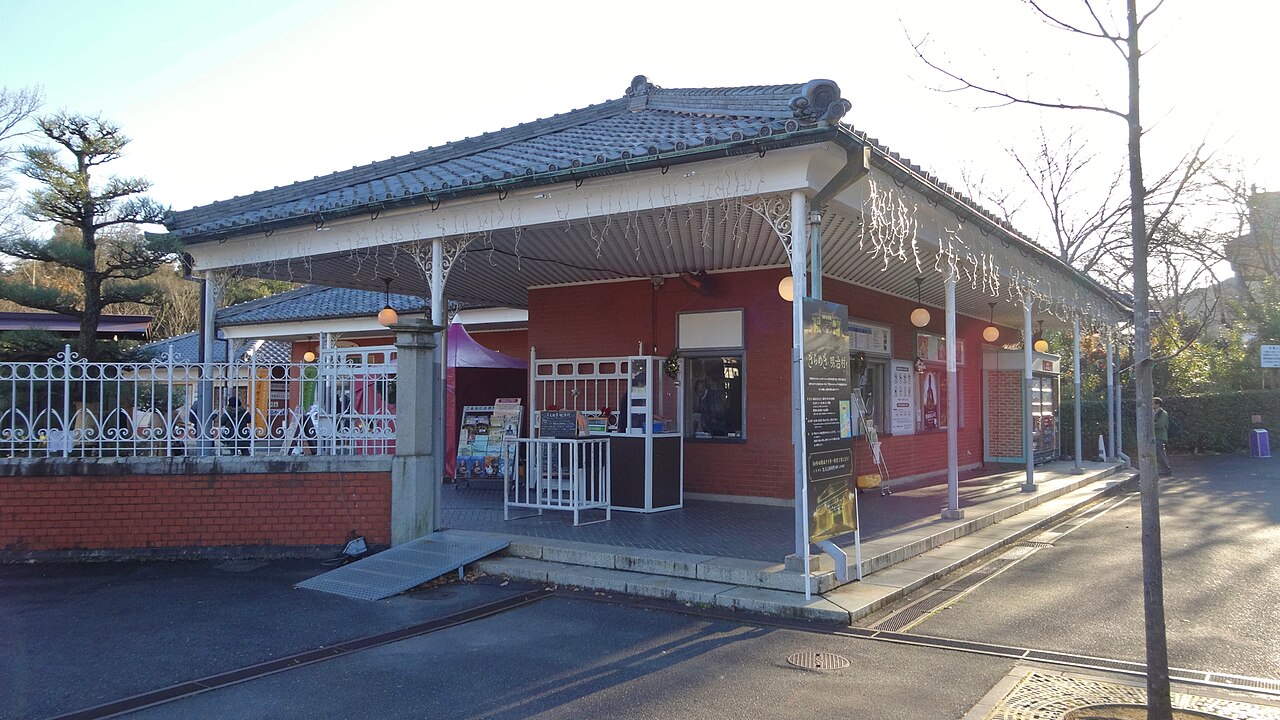

Choose a small group of buildings and a realistic walking circuit before entering Meiji Mura. This open-air museum near Inuyama rewards time spent looking at materials, interiors and the spaces between buildings. Treating the site as a single quick attraction makes its scale frustrating; treating it as a landscape of architectural discoveries makes the day much more satisfying.
Travel through Inuyama with a return plan
The Japan National Tourism Organization describes the approach from Nagoya using the Meitetsu Inuyama Line to Inuyama Station and a bus onward to Meiji Mura. Check the current bus timetable before fixing your arrival, then save the return stop and departure options as well.
A castle visit in Inuyama and a substantial museum circuit can compete for the same day. Decide which is the anchor before travelling. If architecture is the main purpose, let the museum have the useful daylight hours and leave the castle as a separate possibility. This is especially helpful when seasonal opening hours shorten the afternoon.
Choose buildings by a theme you care about
Meiji Mura preserves architecture associated with Japan's transition into a modern society. Instead of selecting buildings only because they look photogenic, choose a theme: public institutions, religious spaces, domestic life or transport. A theme makes details easier to compare and prevents the collection from becoming an indistinct series of facades.
The former Imperial Hotel entrance is a natural focus for visitors interested in architecture. Give it deliberate time rather than treating it as a final photograph after a long circuit. Place it in relation to the entrance you will use and the day's available transport inside the grounds.
Choose the option that fits your day
| Your situation | Useful choice | Check before committing |
|---|---|---|
| Pick an architecture route | Essential buildings | Optional final cluster |
| Heritage transport | Check operation | Fit it to the circuit |
| Return through Inuyama | Chosen museum exit | Railway connection |
Read the site as hilly outdoor space
This is a landscape visit with buildings distributed around a substantial site. Use the current visitor map to understand slopes, paths and the distance between your chosen stops. An interior visit still requires moving outdoors between buildings, so an umbrella or suitable footwear may matter more than it would at a compact city museum.
Choose a point at which you will shorten the route if the weather changes. That can mean omitting a distant cluster rather than hurrying through every interior. When travelling with children or someone who prefers less walking, select the essential buildings first and discuss feasible paths with staff.
A visual introduction to preserved Meiji-era architecture. View original
Treat heritage transport as a separate experience
The museum is known for historic transport, including railway and tram elements. Check what is operating during your visit, how tickets work and whether the route helps your chosen building circuit. A transport photograph in an older post is not a guarantee of the same service on your day.
Taking a ride can be enjoyable in itself, but it should also make sense in the day's sequence. If it sends you away from your essential building with little time left, walking a shorter circuit may be better. For a transport enthusiast, reverse the priority: plan the operating experience first and select nearby architecture around it.
A visit describing the grounds and historic buildings. View original
Look closely at one interior before adding another
Historic rooms contain clues to use: the position of a doorway, the way light enters, or the relationship between service and public spaces. Spend a few minutes on those questions before moving to the next building. You will remember more than you would from a fast succession of entrance photographs.
Where interpretation explains relocation or conservation, notice that too. A preserved building in a museum landscape is not necessarily standing in its original urban context. Understanding the move helps you appreciate both the structure and the museum's work without imagining that the whole setting is an untouched historic town.
Plan a rest before the farthest section
Use the visitor map to locate dining, toilets and places to pause before starting the most distant part of the route. A planned break is particularly useful when different members of a group have different interests. Agree which building comes after it, so that the pause does not turn into another round of navigation.
Food can be part of the atmosphere, but avoid making a particular menu item the only workable lunch plan. Opening arrangements and queues can change. A flexible meal choice lets you protect the building visits that brought you here, and it makes it easier to shorten the day if needed.
Nagoya Railroad’s immersive-tour introduction. View original
Finish with a coherent collection of memories
Choose a final viewpoint or interior that brings your theme together. For example, compare the public face of a building with a smaller domestic space, or contrast a transport structure with a religious one. That creates a meaningful ending instead of the feeling that the site simply ran out of time.
Leave the final bus connection with room to spare, including the walk from your last building to the relevant exit. Once back in Inuyama, decide whether a short meal or station-area pause fits. A successful Meiji Mura visit is a chosen route enjoyed at a human pace, not proof that you entered every building.
A filmed walk around the open-air museum. View original
An architecture-focused day from Nagoya
Before leaving Nagoya, identify the buildings that make the journey worthwhile for you. Mark them on the current museum map, then check which entrance and internal route best connect them. This is more useful than copying another visitor’s complete route, because their interests, arrival point and operating day may differ from yours.
At arrival, compare the map with the day’s notices before beginning the longest walk. Keep a first cluster, a rest and a final cluster as the three parts of the visit. If internal transport is operating in a useful way, decide whether it replaces a long walk or is an experience you want to enjoy separately.
Leave the route’s farthest optional building as a genuine option. You can omit it if an essential interior takes longer than expected. This approach allows depth without a sense of failure: a carefully observed group of buildings is a complete visit, even when many more remain on the map.
Build a simple architectural comparison
Choose two buildings with different purposes and compare how they address visitors. Where does someone arrive, what is visible from outside and how does the entrance organise movement? A hotel, a school-related building or a religious space may answer those questions very differently. Use the labels to establish the actual history of the examples you select.
Next, look at materials and details. A surface that appears decorative may also reveal a method of construction or an adaptation to use. Photograph a detail only after looking at it in context; a close-up with no record of the building can become difficult to identify later.
Finally, consider relocation. Meiji Mura preserves buildings in a museum landscape, and understanding where a structure came from helps you read it more accurately. Do not treat the spaces between buildings as a complete reconstruction of a single historic town. The collection brings examples together to be studied and enjoyed.
Meiji Mura questions that affect the route
Is the museum in central Nagoya?
No. It is near Inuyama, and the journey is part of the day. Use the current official access information and include the onward connection after the railway. A route to Nagoya Station alone does not describe how to reach the museum.
Can I combine it with Inuyama Castle?
Possibly, but decide which is the main attraction and compare actual opening and travel arrangements. A substantial architecture visit can absorb the useful daylight. Trying to give both destinations a complete visit may be less enjoyable than choosing one properly.
Are the heritage trains guaranteed to run?
Check the current operating notices. Use the current operating calendar to find the heritage service available on your date. If the ride is essential, make that check before finalising the day.
Is this a useful rainy-day choice?
It can still be enjoyable in suitable conditions, but it is an outdoor museum with movement between buildings. Compare the forecast, path conditions and the group’s comfort. A compact indoor museum may fit a day of persistent bad weather better than a long exposed route.
Plan the last building before the last bus
Choose the final building with the exit route in mind. A distant favourite can be worth the walk, but only when you have allowed for returning across the grounds and reaching the correct departure point. The museum’s overall closing time is not a bus boarding time.
Save current return options before starting the final circuit. If you want a meal in Inuyama, include that as a separate decision after confirming the museum connection. A missed bus can affect the evening more than skipping an optional building.
Keep internal transport instructions with your museum map. Locate your boarding point and travel direction on the current visitor map. Check the operating information and ask staff when the map is unclear.
The strongest visit leaves a few buildings sharply remembered: a threshold, a room, a material or a view that changed how you see the period. Give those observations space. There is no requirement to leave with a photograph of every facade, and choosing fewer buildings does not reduce the value of looking carefully.