
Nihon Minkaen: A Folk House Walk in Kawasaki’s Ikuta Ryokuchi
On this page
- Connect the museum with the correct park entrance
- Look for how houses respond to their origins
- Choose the option that fits your day
- Expect an outdoor route between interiors
- Check house-specific notices before following a film
- Decide separately about demonstrations and craft activities
- Build the visit around observation and a pause
- Choose an Ikuta Ryokuchi ending that fits the light
- A focused folk-house circuit
- Look at domestic work as well as roofs
- Kawasaki outing questions
- Keep the houses’ different origins clear
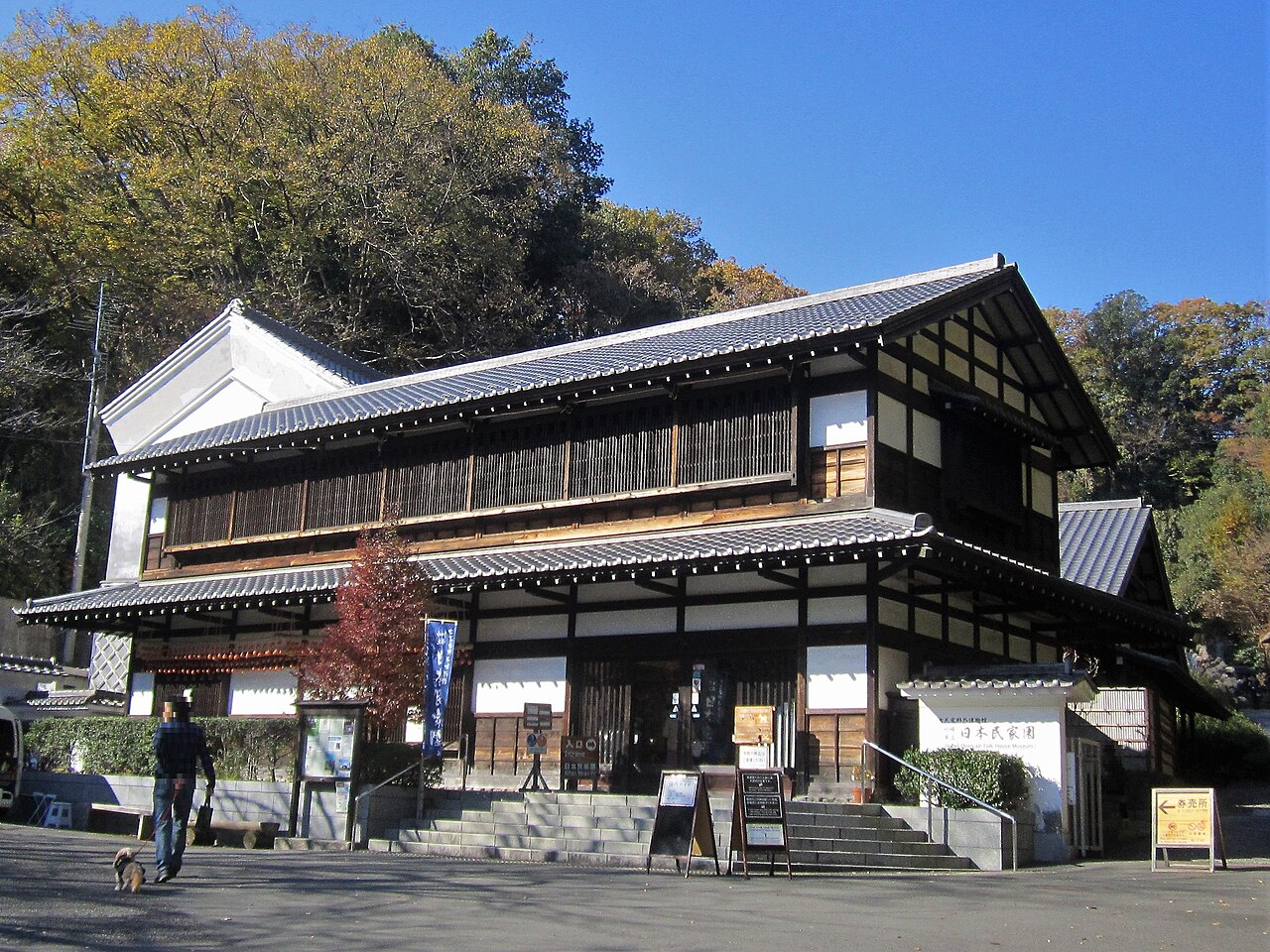

Plan Nihon Minkaen as a walk through traditional buildings within Ikuta Ryokuchi, with time to look at construction and everyday living spaces. The museum brings folk houses into a wooded Kawasaki setting. It is a rewarding choice when you want to understand rural architecture without trying to compress a distant village trip into a Tokyo afternoon.
Connect the museum with the correct park entrance
Use the museum's current access guide to choose your approach to Ikuta Ryokuchi and the entrance that fits it. Mukogaoka-Yuen on the Odakyu Line is a useful station to investigate, but the complete journey includes the walk into the park and to the museum. Do not stop planning at the station name.
The museum is a specific admission area within a larger green space. Save the entrance and your intended exit separately from a general park marker. If you want to visit another attraction in Ikuta Ryokuchi, check its own opening arrangements and location before deciding that it is an easy addition.
Look for how houses respond to their origins
The houses were brought together from different places, so compare them as answers to different living and environmental needs. Roof forms, the arrangement of work spaces and the relationship between floor levels can all become starting points for observation. Use the interpretation to learn the origin of the particular house you are viewing.
Choose a few buildings for careful attention rather than attempting to read every panel at the same speed. A wide view establishes the roof and structure; an interior visit, where permitted, reveals how people moved and worked. Together, these views help explain why the collection is more than a series of picturesque thatched roofs.
Choose the option that fits your day
| Your situation | Useful choice | Check before committing |
|---|---|---|
| Compare folk houses | Original region | Permitted interiors |
| Current visit | Nohara House notice | Separate craft activity |
| Leave Ikuta Ryokuchi | Chosen museum gate | Railway station |
Expect an outdoor route between interiors
Nihon Minkaen sits within a wooded park landscape. The fact that you can enter buildings does not make the visit entirely indoors. Consider weather, footwear and the path to the next house. If you prefer a shorter walk, identify a compact selection from the current map before entering.
For visitors with mobility needs, check the museum's specific access information rather than assuming all preserved houses offer the same conditions. Historic thresholds and interior layouts can differ. A satisfying plan may combine exterior interpretation and accessible routes while leaving some rooms out, with everyone involved in choosing the essentials.
A personal view from Nihon Minkaen in Kawasaki. View original
Check house-specific notices before following a film
The museum's English notices identify the Nohara House as closed to visitors due to construction. Treat that as a building-specific change when choosing your route. It does not mean you should assume the entire museum is unavailable, and an older post showing the interior does not override the notice.
Use videos to recognise the setting and possible viewpoints, then rely on the current visitor map and staff guidance for access. Conservation is part of preserving a folk-house collection. If a favourite building is unavailable, compare its exterior with an open house rather than trying to reproduce every scene from a filmed walk.
An introduction to the relocated folk houses. View original
Decide separately about demonstrations and craft activities
The museum also publishes information about events and the traditional indigo-dyeing workshop. These experiences have their own availability and arrangements. If a workshop is the main reason for travelling, check that programme before planning the rest of the day, including any separate entrance or timing.
An ordinary house walk can still be rich without an additional activity. Focus on a construction detail, a domestic tool or the use of a hearth where a permitted demonstration is taking place. Do not assume that fire, staff interpretation or a craft session seen in a social post will be present in every building.
Build the visit around observation and a pause
Start with one house that helps you understand the collection, continue to a contrasting example, and take a rest before deciding whether to extend the route. This rhythm is easier than walking to the farthest point first and discovering that the group has little energy left for interiors.
For children, give the walk a specific question: where would you cook, keep tools or welcome a visitor? Adults can compare materials and the relationship between structural posts and room divisions. A shared question keeps the group connected even when different people spend different amounts of time reading labels.
Kawasaki City introduces the museum and park. View original
Choose an Ikuta Ryokuchi ending that fits the light
A short park walk or a meal can round out the visit, but choose it after checking the return journey and the day's remaining daylight. Woodland paths, museum interiors and a railway transfer each require attention; stacking them without a pause can make the final part feel rushed.
Before leaving, identify one feature you can now recognise on a traditional building elsewhere in Japan. That connection is the value of the visit. Nihon Minkaen provides a way to look more closely at houses and domestic work, rather than simply a substitute photograph for a rural destination you could not reach.
A filmed walk through houses and their wooded setting. View original
A focused folk-house circuit
Begin with the entrance interpretation and a house that gives you a clear view of the structural system. Notice the posts, roof and relationship between the interior and ground. Then choose a house from a different origin so that you have something specific to compare. Two well-understood examples are a stronger foundation than a fast lap of the whole site.
After a break, decide whether to continue with another regional comparison, a demonstration that is actually taking place or a craft activity you have arranged. Keep the last part flexible. If weather or energy changes, you can finish with a meaningful set of observations rather than rushing toward a distant building.
When using the map, remember that the collection’s present arrangement serves a museum visit. It does not mean that the houses were once neighbours. Read the individual origins and avoid imagining the whole site as a single historic village. That distinction makes the architectural comparison more interesting.
Look at domestic work as well as roofs
A roof is the most visible feature from a path, but the interior tells you how a household used the building. Where access is permitted, look at the relationship between living space, cooking and work. A change in floor level or a doorway can reveal a practical division that is easy to miss in a photograph.
Use the interpretation to understand tools or features you do not recognise. Guessing can be fun as a starting point, but separate the guess from the explanation. Ask a short question when staff interpretation is available, then compare what you learn with the next house instead of expecting every house to be identical.
The wooded setting also invites a slower pace. Listen and look without making every pause a photo session. If you do take pictures, include one view that shows how a house sits in the landscape and one detail you can identify later. Respect boundaries around fragile surfaces and follow the directions for entering each building.
Kawasaki outing questions
Is Nihon Minkaen a working rural village?
It is an open-air museum preserving relocated folk houses. The buildings’ interpretation provides their original locations and context. Enjoy the setting while keeping the museum’s role in preservation clear.
Can I count on seeing a hearth demonstration?
Check the day’s programme and staff guidance. An older video may show an activity that is not happening in every house or on every day. A visit should still be worthwhile as a house and architecture walk.
Is an indigo-dyeing workshop included automatically?
Treat it as a separate programme with its own arrangements. Confirm the current availability, participation conditions and location. If it is your main purpose, organise it before deciding on the rest of the museum circuit.
Can I add another Ikuta Ryokuchi attraction?
Yes, when its own schedule and the complete walking route fit. The park’s attractions are not all the same admission or the same building. Choose one addition and leave the rest flexible, especially if a workshop or guided activity already occupies a fixed block of time.
Keep the houses’ different origins clear
Record the name and original location of a house with your photographs. This makes comparison easier later and prevents different regional traditions from merging into one vague idea of a Japanese farmhouse.
Look outside before entering, then see whether the interior changes your first impression. A dramatic roof suggests one scale while the floor plan reveals smaller working and living spaces. Use the museum’s explanation to understand the relationship rather than assuming the biggest room had the most important function.
For a shorter visit, return to an early house after viewing a contrasting example. You may notice something new about structure or circulation. This small loop can be more rewarding than adding a distant building simply because it is on the map.
Before leaving, confirm the park route to your station or next destination. Save the correct gate information if a craft activity ends elsewhere. The wooded setting makes for a pleasant day, but the museum gate, park edge and railway platform are separate stages. Include all three in the return plan, especially when the group has already spent a long time on its feet.
Travel videos from All Japan
Popular YouTube posts
 4k hdr japan travel | Heavy Rain Walk in Noborito(登戸)Kawasaki | Nature for relaxing City ambienceNature for relaxingYouTube · 2,752,682 views
 Kyoto in the rain 🌧️ temples, mossy gardens, hidden forest & cozy tea housesMei TimeYouTube · 2,659,810 views
 I experienced Japans Largest Haunted House - Haunted Asylum Walk-ThroughInfamous Crime LocationsYouTube · 633,265 views