
Omiya Railway Museum: A Tokyo Day Trip Built Around Real Trains
On this page
- Use the correct Omiya connection
- Give the different museum stations a purpose
- Choose the option that fits your day
- Separate the raffle from your essential visit
- Look beyond the famous train nose
- Keep food and train watching as deliberate breaks
- Choose one Saitama addition, if any
- Decide what you want to remember
- A Tokyo-to-Omiya day without an overfull timetable
- Give the visit a railway question
- Omiya questions to settle before travelling
- Keep the New Shuttle transfer simple
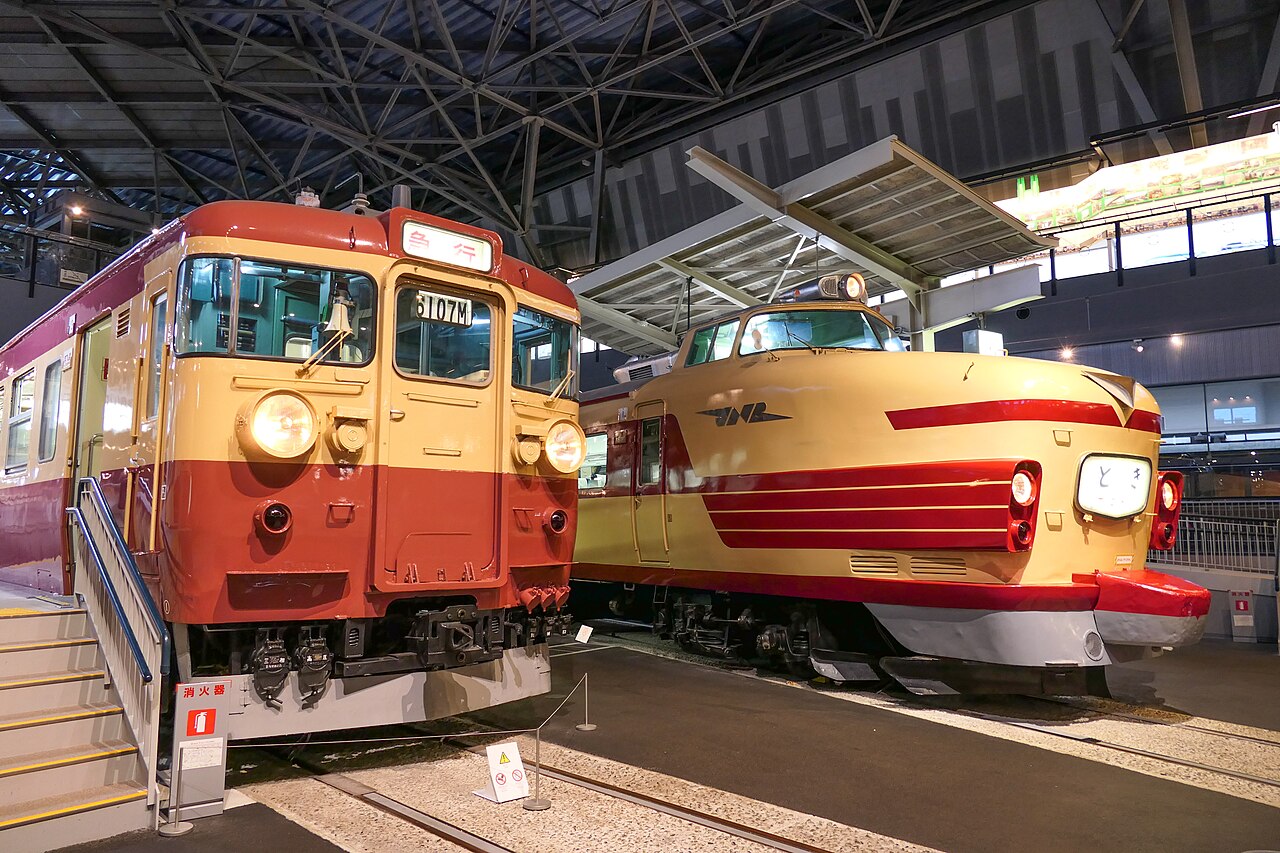

Plan the Railway Museum in Omiya as a destination in its own right: reach Omiya, transfer to the New Shuttle, and give the collection a substantial part of the day. The museum brings historic vehicles together with railway science, jobs and history. A good route connects these themes instead of treating every attraction as an unrelated stop.
Use the correct Omiya connection
The Railway Museum is in Saitama City, north of central Tokyo. The official floor guide directs visitors from JR Omiya Station onto the New Shuttle to Tetsudo-Hakubutsukan Station. Search for that station as well as the museum name when planning your journey, and distinguish the New Shuttle transfer from remaining on a JR train.
Omiya is a large interchange. Allow for following signs, leaving one railway system and finding the next boarding point. If your group is arriving on different trains, agree on a recognisable meeting place before beginning the shuttle connection. A saved map of the museum entrance is useful, but it does not replace knowing where to meet inside a busy station.
Give the different museum stations a purpose
The official English introduction organises the museum around Rolling Stock, Science, Job, Future and History stations. Use those themes to decide what you want to learn. Start with the vehicles to establish scale, then choose the science or work displays that explain something you noticed.
For example, an interest in the driver's cab can lead naturally to railway jobs, while curiosity about wheels and braking leads toward scientific principles. The history displays then place those machines in a larger social story. There is no need to finish every panel in the same order as someone else; choose a coherent path that suits the group.
Choose the option that fits your day
| Your situation | Useful choice | Check before committing |
|---|---|---|
| Reach Omiya museum | JR to Omiya | Tetsudo-Hakubutsukan |
| Choose a collection story | Rolling Stock | Optional raffle activity |
| Onward journey | Museum exit | JR connection and luggage |
Separate the raffle from your essential visit
The museum promotes its raffle app for certain experiences and recommends advance reservation for admission. Read the activity-specific instructions before promising a simulator or miniature train to a child. An activity drawing and a museum admission reservation are different arrangements.
Build a satisfying visit that works even without winning a place. Pick the historic train circuit, a science question and a break location first. Then add an activity if the relevant system allows it. If two people want different experiences, agree where to reunite and how long the split will last, rather than repeatedly crossing the building to find each other.
A past visit describing train exhibits and activity allocation. View original
Look beyond the famous train nose
A recognisable Shinkansen makes an easy first photograph, but it is only one part of the collection. Compare passenger accommodation, doorway dimensions and the relationship between the carriage floor and the platform. These everyday design decisions help explain why different trains feel different when you use them.
Where a vehicle interior is open, follow the marked direction and let other visitors pass before stopping for a photograph. Where it is closed, enjoy the exterior and the interpretation rather than assuming an older video proves access. A museum vehicle is a preserved object, and the route around it may change for conservation or operations.
A regional tourism introduction to the museum. View original
Keep food and train watching as deliberate breaks
A pause is useful before attention starts to fade. Consult the current floor map for dining and rest facilities, then choose a place that fits the next part of your circuit. Carrying a meal around while looking for a seat can consume the same time you hoped to save.
The surrounding railway setting is part of Omiya's appeal. Where the museum provides an appropriate viewing location, compare the preserved collection with trains operating outside. Let that be a break from reading rather than another timed objective. Children may enjoy identifying a passing train; adults may find the contrast between historic and contemporary equipment equally interesting.
Choose one Saitama addition, if any
The museum is a stronger anchor than a brief detour on a packed Tokyo sightseeing day. If you want another experience, choose it after you have established the museum's actual finish time and the transport involved. Omiya's railway identity can be enough of a theme without travelling across Saitama to add another museum.
A long-distance train departure from Omiya should be planned separately from the museum closing time. Include the shuttle ride back, movement through Omiya Station, luggage collection and finding the correct platform. Leaving the museum at the same time a train departs is not a workable connection.
An archival Saitama tourism film about the collection. View original
Decide what you want to remember
Before leaving, let each person choose a single vehicle or idea they found surprising. That can make a souvenir or photograph feel connected to the visit rather than an automatic final purchase. It also gives a family a natural point at which to stop, even if more displays remain.
For railway enthusiasts, write down the name of the vehicle you want to research later. For first-time visitors, a picture of a ticketing device or carriage interior may be more meaningful than a list of technical specifications. The best route leaves you with a few clear discoveries and enough energy for the journey back.
A filmed visit to the full-size train collection. View original
A Tokyo-to-Omiya day without an overfull timetable
Choose the Tokyo departure station from your accommodation rather than automatically travelling to Tokyo Station first. Depending on where you are staying, another JR connection may be more natural. Check the actual route to Omiya and the New Shuttle transfer as a single sequence, including the final walk. This is a planning task you can finish before breakfast.
At the museum, divide the visit into a shared beginning and a flexible ending. Start together around the collection, then choose a science or jobs theme. After a break, decide whether the group wants another gallery, a successful raffle activity or a return to a favourite train. This leaves a meaningful visit intact even when one optional experience is unavailable.
If you have an onward railway journey from Omiya, set a museum departure target from the train you need, not from the museum closing time. Include the shuttle and station movement before comparing how much collection time remains. When that calculation leaves only a brief visit, consider a different day rather than turning the museum into a rushed transfer.
Give the visit a railway question
A useful question can be as simple as why different trains have different door arrangements. Look at the preserved vehicles, notice where passengers enter, and compare that with the service the vehicle was intended to provide. You can apply the same idea to seats, luggage space or the position of a cab.
For a family, let each person choose one question and one object. Take turns explaining what you noticed before moving on. This makes the visit interactive without depending on a simulator slot, and it lets a child contribute an observation that an adult might overlook. Keep explanations short enough that the group still has time to look.
For an enthusiast, use the visit to connect a particular vehicle with a broader railway function. A favourite model can be the starting point, but the science, work and history areas supply context. The result is a more coherent museum memory than a large photograph collection with no record of why each train mattered.
Omiya questions to settle before travelling
Is Omiya just another central Tokyo neighbourhood?
No. The museum is in Saitama City and requires a journey from your Tokyo base. Treat it as an outing with its own transport and return plan. The convenient railway connections do not remove the time needed for station transfers.
Does reserving museum admission reserve every activity?
No. Read the activity’s own instructions, including any raffle or separate procedure. General admission and a successful activity allocation answer different questions. Make sure the group understands that distinction before arrival.
Is it sensible to visit on the way to another city?
It can be, but only if luggage and the onward connection are fully accounted for. The museum is not inside the main Omiya Station concourse. A route that ignores the New Shuttle and the return walk understates the time required.
What if someone in the group is not interested in trains?
Give them a role in choosing the visit’s theme: social history, design, work or engineering. Agree on a manageable shared route and a rest point. If interests differ strongly, a shorter focused visit can work better than expecting everyone to read every technical display.
Keep the New Shuttle transfer simple
Save the Japanese station name as well as the English spelling if you are concerned about signs. At Omiya, follow the actual transfer signs rather than a remembered platform number from another account. Railway access arrangements can change, while the named connection remains easier to confirm on the day.
Keep activity instructions separate from the city journey. One describes how to reach the entrance; the other describes what to do after admission. Mixing the two can lead a group to think that arriving is enough to enter a particular drawing or session. Read both before leaving your accommodation.
At the end, finish one last chosen object rather than adding an entire gallery. Check the route back to the shuttle and the JR connection you actually need. If the return is to a different Tokyo district, save that destination directly. There is no need to retrace every morning transfer when another current route is more convenient.
A compact set of directions, a shared circuit and one flexible activity make the outing organised. The remaining attention belongs to the trains.
Travel videos from All Japan
Popular YouTube posts
 Japan’s Unexplored Region | Train Trip on an Emerald Green Lake in Shizuoka | JAPAN TRAVEL VLOGUnique Japan TravelYouTube · 3,024,509 views
 4 Days on World's Only 7-Star Luxury Train | Japan's Sleeper Train, SEVEN STARS IN KYUSHU (4K Vlog)ST TravelYouTube · 2,595,030 views
 🇯🇵 3 Day Trip on Japan's Snowiest Luxury Train! | Setsugekka ExpressSolo Solo TravelYouTube · 1,117,929 views
 5 Days Introvert Solo Trip in Tokyo | Mt Fuji, Temple, Cafe, Museum, Autumn Leaves, Christmas LightsMomo TravelYouTube · 330,173 views
 Day Trip to UJI #kyoto to Enjoy Matcha 🍵 and Visit the Oldest Shrine ⛩️ in Japan | TripMei TimeYouTube · 310,114 views
 2 Day Trip from Sapporo to HakodateJapan GuideYouTube · 274,712 views
 Let’s go to TOKYO!🇯🇵 Shinkansen-Hotel-Fuji & Gotemba Private Day Trip! 🚅🗻🛍️Jm BanquicioYouTube · 113,478 views
 【埼玉Vlog】大宮 /【 Saitama Vlog】Omiyaあかね的日本語教室YouTube · 109,649 views