
Mazda Museum: Reserve First and Reach the Right Hiroshima Meeting Point
On this page
- Begin on the current reservation page
- Navigate to headquarters reception, not an internal gate
- Choose the option that fits your day
- Treat the group timetable as the anchor
- Follow the collection as a manufacturing story
- Do not promise a particular production-line view
- Separate museum news from current tour availability
- Keep the rest of Hiroshima flexible
- A reservation-led Hiroshima day
- Look at cars as a sequence of decisions
- Reservation and reception questions
- Keep the confirmation and group agreement together

Reserve the Mazda Museum visit before building it into your Hiroshima day, then follow the booking's instructions to the designated meeting point. This is a scheduled experience connected with Mazda's headquarters site. The essential planning task is reaching the right reception at the right time, rather than simply navigating to a museum pin. This route focuses on weekday individual visits for groups of up to ten; larger groups and Saturday open days use different arrangements.
Begin on the current reservation page
Mazda's official museum website states that visits are by reservation. Use the current booking page to choose the date, language and available programme, and read the confirmation after reserving. An old visitor guide or social post is not evidence that you can arrive without a place.
Keep the confirmation accessible on your phone and save the meeting instructions separately. Check how early you must report and whether the published tour time includes the movement from headquarters to the museum. These details matter more than a generic estimate of how long a car museum usually takes.
Navigate to headquarters reception, not an internal gate
The official booking information identifies the Head Office lobby as the departure point and gives an arrival requirement before departure. Follow the directions attached to your own booking. Do not assume that the museum building shown on a map is a public walk-in entrance.
Plan the local railway or other transport connection from your accommodation using that meeting location. A short ride from central Hiroshima still requires the walk from the destination station, finding the correct building and completing reception. Give those tasks their own space instead of arriving at the scheduled departure time.
Choose the option that fits your day
| Your situation | Useful choice | Check before committing |
|---|---|---|
| Reserve first | Date and language | Head Office lobby |
| Managed site visit | Report before departure | Complete return journey |
| Use access evidence | Social posts show past visits | Current booking controls access |
Treat the group timetable as the anchor
A guided or managed visit follows a shared sequence. Keep the museum block free of another reservation immediately afterward, and include the return to the designated finishing point. If you are leaving Hiroshima later that day, account for luggage collection and the trip to your departure station.
This approach also makes the visit more enjoyable. You can listen, observe and stay with the group without repeatedly calculating whether you must leave early. If the available programme does not fit your transport, choose another date or another activity rather than expecting staff to adapt the tour to your individual schedule.
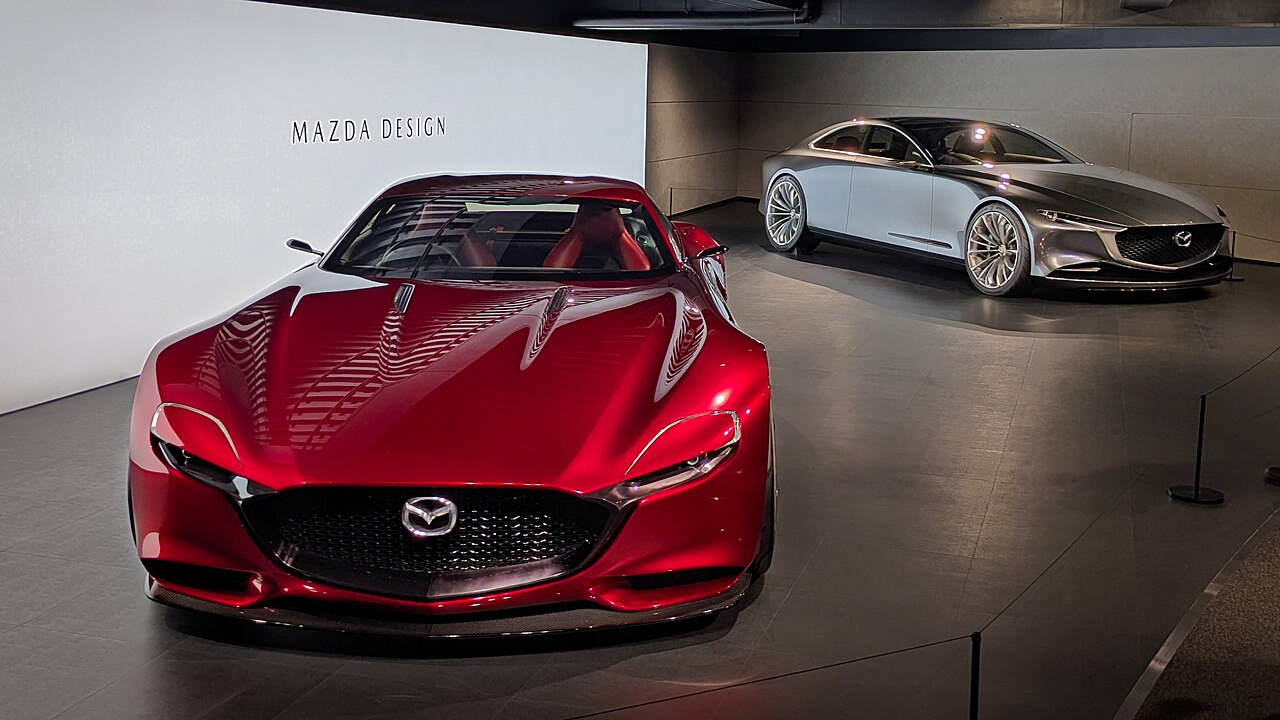
Vehicle photographs from a Mazda Museum visit. View original
Follow the collection as a manufacturing story
The museum presents Mazda's vehicles and the company's development. Look for connections between design ideas, production methods and the cars themselves. A visitor who is not a brand enthusiast can still enjoy the question of how a concept becomes a manufactured object.
Choose a few details to follow: a body shape, a control layout or a change in vehicle proportions. Compare what you can see with the interpretation provided during the visit. That makes the collection more memorable than a long sequence of model photographs, and it gives different members of a group a shared topic.
A photographic view of the museum collection. View original
Do not promise a particular production-line view
The site is connected with an operating industrial environment, and Mazda publishes notices about changes and renovations. Check the current programme for what is actually included. A film of a production line or a visitor's account from another year does not guarantee the same access on your date.
Treat any operational instructions as part of the experience. Stay on the authorised route, follow the guide and observe the stated photography rules in each area. Where photography is restricted, put the camera away and focus on what the guide explains. Museum display photography and factory-area photography should not be assumed to have identical conditions.
Separate museum news from current tour availability
A news report about a milestone or a renovation can explain the museum's development, but it is not a reservation calendar. Use it for context and return to Mazda's booking page for a place. This distinction is particularly important when a report describes a proposed improvement or future change.
The embedded posts below show different perspectives on the site and collection. Their dates help you understand the context in which they were made. Let them inform your visual expectations while the operator's current instructions determine the practical visit.
A 2025 news report about partial renovation. View original
Keep the rest of Hiroshima flexible
Choose a meal or an uncomplicated city stop after the museum according to the actual finish time. A tightly timed connection to Miyajima or a long-distance train can make an otherwise relaxed visit stressful. If another reservation is essential, place it far enough away in time to include the full return journey.
Before leaving the group, confirm where the visit has finished and how you will travel onward. A saved route back to your hotel or Hiroshima Station makes the final transfer easier. The reward is a coherent industrial-history outing, with the booking and reception handled well enough that they do not dominate your memory of the day.
A news report on a visitor milestone and planned improvements. View original
A reservation-led Hiroshima day
Begin with the programme you can actually reserve. Once the date, language and reporting instructions are clear, choose the transport from your accommodation to the Head Office lobby. Save that route and the confirmation together. If you are travelling with someone else, make sure both of you know the meeting location rather than only the museum’s name.
Before the visit, keep the preceding activity easy to shorten. A sit-down meal or a long shopping stop can create unnecessary pressure if it runs late. Reach the designated reception with the margin stated in your confirmation and let the visit’s managed transport and sequence determine the next part of the day.
Afterward, allow time for the return from the museum and any final instructions before planning the next reservation. The Head Office lobby, the museum building and Hiroshima Station are different points in the journey. Keeping them separate in the itinerary removes a common source of confusion.
Look at cars as a sequence of decisions
A finished car combines styling, materials, packaging and manufacturing choices. Choose one vehicle and look at how its proportions shape the space inside and the way it addresses the road. Then compare a different design rather than trying to photograph every model at the same pace.
Use the guide and museum interpretation to connect an appealing shape with a development story. If a concept vehicle is on display, distinguish the role of an exploratory design from that of an ordinary production model. The interesting question is what an idea was trying to explore, not whether every feature appeared unchanged in a car that reached customers.
For a companion with less interest in Mazda, focus on how a manufacturer presents its work and how an industrial museum explains a process. For an enthusiast, a specific engine or model can provide the deeper thread. These interests can share the same guided route without requiring everyone to know the same technical history.
Reservation and reception questions
Can I arrive and ask for a walk-in ticket?
Mazda’s museum site describes visits as reservation-only. Use the official booking page and do not travel on the assumption that the reception can add an unreserved visitor. If no suitable place is available, keep another Hiroshima activity ready.
Where does the tour begin?
Follow the current confirmation, which identifies the designated headquarters reception and reporting requirements. Do not navigate directly to an internal museum building or industrial gate simply because it appears closer on a map.
Will the tour always include the same production view?
Read the current programme and important notices. Operations, renovations and visitor arrangements can change. A film records one programme at one time and cannot guarantee what your own visit will include.
Can I leave early for a train?
Plan the visit only when the full scheduled programme and return fit your transport. A managed site visit is not a self-guided gallery where an early exit is automatically practical. If your departure is too tight, choose a different slot rather than depending on an exception.
Is the museum a substitute for Hiroshima’s other major sights?
It is a distinct industrial-history experience. Choose it because the collection and manufacturing story interest you, then give the city’s other important places their own time. A successful itinerary reflects your priorities and actual travel connections.
Keep the confirmation and group agreement together
Check that the booking confirmation opens and that everyone knows who holds it. If your group meets after separate morning activities, agree on the headquarters reception named in the instructions, rather than an informal landmark near a station.
Read the reporting requirement again on the day. A scheduled departure is not the latest time to reach the area, and the walk from local transport can take longer when the building is unfamiliar. Leave room to find reception calmly and follow staff instructions.
Keep photography restrictions in mind before preparing equipment. A camera convenient in a gallery may not be usable in every operational area. The guide’s current directions determine what you can do, so do not let reproducing an older video distract from the visit.
At the end, regroup before returning into Hiroshima. Check whether the next stop is accommodation, stored luggage or a railway departure. With those practical steps settled, the collection’s design and manufacturing story can remain the centre of the day. If someone wants more time to discuss a vehicle, use the onward journey rather than delaying a group departure or an operational instruction.