
Edo-Tokyo Open Air Architectural Museum: A Koganei Building Walk
On this page
- Go to Koganei, not to the wrong Edo-Tokyo museum
- Choose a building sequence, not a checklist
- Choose the option that fits your day
- Wear shoes that make interior visits easy
- Use the shop streets to observe everyday details
- Check seasonal hours before choosing an afternoon visit
- Keep photography compatible with a shared historic interior
- Let Koganei Park be the flexible ending
- Plan a building walk for your particular interests
- Put the admission process in the right place
- Koganei visit questions
- Keep the park and museum parts legible
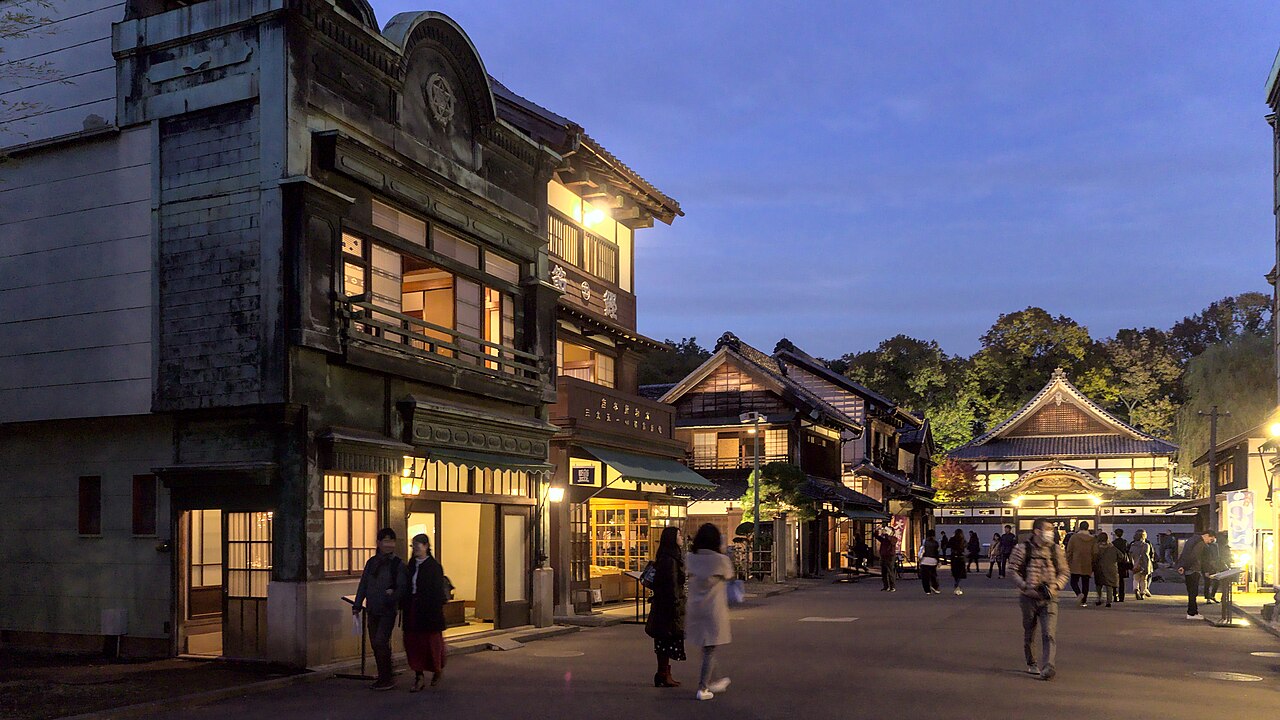

Give the Edo-Tokyo Open Air Architectural Museum a dedicated western-Tokyo outing, with Koganei Park as its setting and a selected group of interiors as the focus. The museum preserves buildings from different parts of Tokyo. Walking between them makes changes in urban and domestic life tangible, especially when you take time to compare how people used the spaces.
Go to Koganei, not to the wrong Edo-Tokyo museum
The open-air museum is in Koganei Park in western Tokyo. It is distinct from the Edo-Tokyo Museum in Ryogoku. Check the full name and location before saving a route, buying a ticket or agreeing where to meet another traveller. Confusing the two can send people to opposite sides of the city.
Musashi-Koganei on the JR Chuo Line is one approach described by Tokyo's official visitor information, followed by a bus connection and a walk. Plan the specific stop and park entrance rather than navigating only to the middle of the park. On the return, check the direction of the bus stop as well as its name.
Choose a building sequence, not a checklist
The collection allows a visitor to compare homes, shops and public-facing spaces. Start with the part of life that interests you most. A street of shops may make the everyday city easier to imagine, while a residence can reveal how status, work and family life shaped a plan.
A useful circuit pairs a broad overview with a few interiors. At each one, ask where a visitor would enter, which spaces were public and which were private, and how light or air moved through the building. Those questions make differences visible without needing a specialist vocabulary.
Choose the option that fits your day
| Your situation | Useful choice | Check before committing |
|---|---|---|
| Reach Koganei | JR and local connection | Selected interiors |
| Read an old building | Original use | Materials and work |
| Seasonal finish | Current closing time | Return bus direction |
Wear shoes that make interior visits easy
The museum's own visitor guidance recommends shoes that are easy to remove because some building interiors can be entered. Choose footwear that is comfortable for outdoor paths as well as repeated transitions at thresholds. Keep socks and any small belongings together so that a doorway does not become a bottleneck.
Do not assume every interior is open or that every room is step-free. Check the current route and follow the signs at individual buildings. A companion who cannot enter a particular room should still be included in the day's plan, with exterior viewpoints and accessible paths chosen deliberately.
Tokyo Tokyo introduces preserved streets and buildings. View original
Use the shop streets to observe everyday details
A recreated streetscape can be enjoyed at several scales. First look at the street as a whole: the rhythm of facades, the width of the route and the way shop fronts address passers-by. Then choose a few fittings or displays that reveal what a building was used for.
A bathhouse or small commercial interior is particularly effective when you look beyond its most photographed feature. Notice circulation, storage and the division between customer and working areas. These details connect the museum with neighbourhoods you are exploring elsewhere in Tokyo, even though the buildings have been moved into a preserved setting.
An afternoon visit to the Koganei architectural collection. View original
Check seasonal hours before choosing an afternoon visit
The official admission information distinguishes the warmer and colder parts of the year, and final entry occurs before closing. An afternoon that seems spacious in summer may be shorter in autumn or winter. Work backward from the museum's current closing time, then include travel through the park and the journey back to your station.
Night-opening photographs are especially easy to misread. A lit streetscape can come from a special programme rather than ordinary evening admission. If an event is the reason for your visit, verify its date, ticket arrangements and opening areas. Otherwise, plan for the ordinary daytime museum circuit.
Keep photography compatible with a shared historic interior
The museum asks visitors to protect buildings and avoid monopolising spaces or inconveniencing others while filming. Choose your viewpoint, take a small set of pictures and move aside before checking them. In a narrow room, allow another visitor to look before arranging a second photograph.
Use the visitor-centre lockers where suitable, and follow the guidance about umbrellas inside buildings. Those practical choices make repeated interior visits more comfortable. For a group, agree whether photographs or slow observation are the priority; trying to stage portraits in every doorway can absorb the whole afternoon.
A walking tour among the historic buildings. View original
Let Koganei Park be the flexible ending
The park around the museum provides a natural transition back to the contemporary city. Add a short walk if there is enough daylight and energy, but keep the station connection clear. A park stroll should be the part you can shorten, rather than the reason you miss the last useful museum interior.
Before leaving the collection, choose two buildings that changed your understanding of Tokyo. They may be very different in scale or use. Comparing them gives the visit a stronger ending than counting entries, and it provides a useful lens for the city's surviving streets and homes.
An archival walk; check current seasonal hours separately. View original
Plan a building walk for your particular interests
If you are drawn to everyday city life, start with the commercial streetscape and choose a few interiors that show how work and domestic life connected. If residential architecture interests you more, put the selected houses first while you have the most attention for layouts and materials. Use the remaining time for a contrasting district of the museum.
A family route can be organised around a single question: how did people shop, wash, cook or welcome visitors? Let each person choose a building that answers it. This keeps a walk through different periods from becoming a long list of facts and helps children contribute observations of their own.
For an architecture enthusiast, record each building’s name and origin before taking detail photographs. The collection mixes buildings from different contexts. A simple note about what was moved and why makes the images much more useful later, and prevents a beautiful interior from becoming an unidentified picture in your phone.
Put the admission process in the right place
The museum’s admission page describes online date-designated tickets and same-day counter tickets. Choose the method that suits your trip, then keep the confirmation and any eligibility information together. Do not assume that a general park visit includes entry to the museum’s collection area.
An online ticket does not eliminate the journey through Koganei Park or guarantee that there will be no queue. Reach the visitor centre with enough time for entry and orientation. If you are visiting as a group with different ticket categories, agree who is carrying the confirmations before reaching the counter.
Check the official visitor guidance when packing. The recommendation for removable shoes, the locker information and the instruction about umbrellas are practical preparation for a day of repeated thresholds. A small bag and hands free for shoes and tickets can make the interiors easier to enjoy than carrying a full day’s shopping.
Koganei visit questions
Is this the same museum as the Edo-Tokyo Museum?
No. The open-air architectural museum is in Koganei Park. Confirm the complete name in your route planner and in any message arranging a meeting. This distinction matters before you travel, not only when you reach an entrance.
Are all buildings original to this park?
The museum preserves buildings relocated from across Tokyo. Read each building’s interpretation to understand its original setting and the reason for preservation. The collection is a way to compare urban history, rather than an untouched neighbourhood.
Can I visit after dark?
Use the current opening schedule and any named special-event information. A photograph taken during an evening opening should not be used as evidence of ordinary nightly admission. Plan the normal visit within the actual seasonal hours.
How much else should I add in western Tokyo?
Begin with the museum and the journey from your accommodation. Add one place only when its location and opening arrangements work. A separate timed attraction can turn a relaxed building walk into a chain of connections, particularly when autumn and winter closing times shorten the afternoon.
Keep the park and museum parts legible
Koganei Park is the setting, while the museum has its own entrance, admission and operating hours. Plan both parts explicitly. A pleasant park walk can become an unwanted delay if you have navigated to the wrong side before a short winter visit.
When arriving by bus, note the stop and the direction of the return service. Save the public route information if it helps you recognise the departure later. Do not assume the return stop is in exactly the same place as the arrival stop. Check the actual direction before relying on it.
Inside, keep shoes, umbrella and belongings manageable. Repeatedly putting a large bag down at historic thresholds slows the group and makes it easier to leave something behind. A consistent routine for entering and leaving buildings keeps attention on the architecture.
At the end, regroup before stepping back into the park. Decide whether to walk longer or return to the station. That final shared decision is easier there than after the group disperses along different paths. If daylight is short, keep the station connection as the priority and the park extension flexible.
A named building is a useful meeting landmark, but agree on a public visitor area rather than a narrow interior. This keeps the group easy to find without inconveniencing other people.
Travel videos from All Japan
Popular YouTube posts
 Behind the Counter at a Local Japanese Tempura RestaurantPaolo fromTOKYOYouTube · 3,864,102 views
 [Select Onsen Japan] (Charm of Jinpyokaku)/ Best hot spring hotel in JapanSelect Onsen JapanYouTube · 3,277,248 views
 Tokyo Night Drive in Cherry Blossom Season 🌸 / 8K 60fps HDR / Relaxing Piano MusicAbao VisionYouTube · 963,914 views
 Must-Try Japanese Street Food Hidden Gems in Tokyo AsakusaPaolo fromTOKYOYouTube · 920,273 views
 Staying at Japanese Secret Ryokan with 4 Private Onsen in Izu♨️ | Yugashima Tatsuta | ASMRIt's Time to Travel🇯🇵 / 旅する時間YouTube · 664,992 views