
SCMAGLEV and Railway Park: Plan Nagoya’s Train Museum from Kinjofuto
On this page
- Make Kinjofuto the destination
- Follow the changing idea of speed
- Choose the option that fits your day
- Choose simulations as an addition to the collection
- Read the diorama as a railway landscape
- Separate permanent displays from dated collaborations
- Do not combine every waterfront attraction by default
- Return to Nagoya with the useful details saved
- A route for three different kinds of visitor
- Photography that explains the collection
- Kinjofuto planning questions
- Keep the waterfront journey and ticket distinct
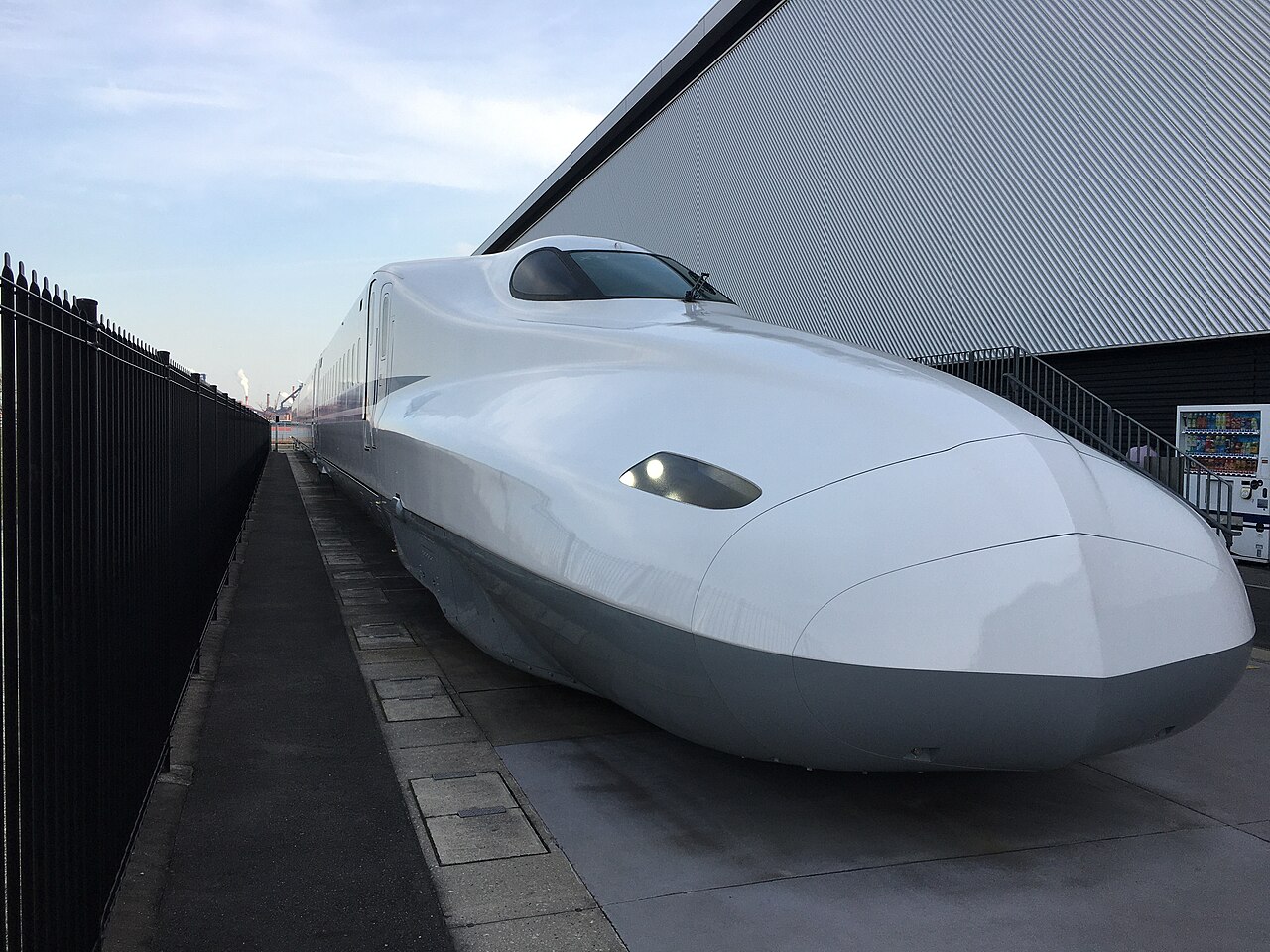
Use the Aonami Line approach to Kinjofuto as the backbone of a visit to SCMAGLEV and Railway Park. Inside, the strongest route connects conventional rail, Shinkansen development and magnetic levitation. Choosing that story first makes the museum enjoyable even if you do not know the model numbers of the trains on display.
Make Kinjofuto the destination
The museum is in Nagoya's Kinjofuto waterfront area, rather than beside the central Nagoya Station concourse. Plan the Aonami Line connection and the final walk as one complete journey. When looking at a map, check that you have selected this railway museum rather than a general station display or another transport attraction.
If you arrive in Nagoya with luggage, decide where it will stay before heading to the waterfront. Returning to the same storage point can be convenient, but it becomes part of the return route. A hotel in a different district may require another transfer after you collect your bags, so leave space for that movement in the evening.
Follow the changing idea of speed
The museum's official site describes a collection spanning conventional rolling stock and maglev, with simulators and a large diorama. Begin by comparing the vehicles as physical objects. Look at shape, seating and the space around the driver's position before focusing on the performance information.
A useful question is how each generation responds to the needs of its passengers. A streamlined nose is visually memorable, but boarding, interior space and operating systems also tell a story. You can follow that story without turning the visit into a technical examination. Let a small set of comparisons guide where you spend your attention.
Choose the option that fits your day
| Your situation | Useful choice | Check before committing |
|---|---|---|
| Follow railway development | Conventional rail | Maglev |
| Choose an activity | Check simulator procedure | Protect collection time |
| Kinjofuto return | Finish selected exhibits | Connect at Nagoya |
Choose simulations as an addition to the collection
Check the current arrangements for each simulator when you arrive. A museum's general description of simulators does not guarantee a particular session, age eligibility or ticket method. If one experience is essential, find the relevant instructions before committing to the rest of your route.
For a family, put the static collection and one shared learning activity ahead of an ambitious simulator list. For an enthusiast, it may be more satisfying to spend longer reading the vehicle interpretation. Either approach can work. The important decision is whether a simulator is the reason for the visit or simply an attractive extra.
Nagoya visitor information introduces the railway collection. View original
Read the diorama as a railway landscape
The diorama is an opportunity to see how trains relate to towns, stations and infrastructure. Instead of trying to track every moving model, choose one station or section of landscape and notice how several services interact around it. This turns a visually busy display into a more legible scene.
Check the presentation times and viewing arrangements on site. A good place for one short explanation may not be the best place for a photograph, and a visitor arriving later should still be able to see. After a programme, step away from the busiest edge before discussing it or reviewing pictures with your group.
A visitor guide introduces the Kinjofuto displays. View original
Separate permanent displays from dated collaborations
An Instagram post may feature a special collaboration, a particular carriage opening or a seasonal event. Look at its date before assuming that feature is part of ordinary admission. The museum's own current notices are the place to confirm a temporary programme.
The same distinction applies to older walking videos. Use them to recognise the collection's atmosphere and scale, then choose the current route from the floor map. Use the current floor map and vehicle signs to find the open outdoor areas and permitted interiors.
Do not combine every waterfront attraction by default
Kinjofuto contains other visitor attractions, but geographical proximity is not the same as having enough time for both. Start by deciding whether your party wants a focused museum half day or a longer waterfront day. Two separate admissions and two sets of activity schedules can compete for the same hours.
If another attraction is the main commitment, make the museum route deliberately shorter rather than promising a complete tour. Choose the vehicles most relevant to your interests and accept that some demonstrations will remain for another visit. For a rail-focused day, the museum itself can provide the full theme.
Aichi Prefecture’s official museum introduction. View original
Return to Nagoya with the useful details saved
Save the Aonami Line station entrance and the connection you need after arriving back at Nagoya. Large stations are easier when you know whether the next destination is a hotel, a restaurant district or a Shinkansen platform. Have that decision ready before the group is tired.
On the way back, notice how a working train differs from a preserved one. Door operation, information displays and passenger circulation become more interesting after the museum. That connection between the collection and your own travel is a satisfying finish, and it keeps the museum from feeling detached from the rest of the trip.
A filmed visit to Nagoya’s train displays. View original
A route for three different kinds of visitor
For a first-time visitor, use the changing relationship between conventional rail, Shinkansen and maglev as the thread. Begin with overall vehicle shape, choose a few interiors or interpretation points where access permits, and use the diorama to put trains into a wider landscape. This is a clear route even without prior knowledge of Japanese railway companies.
For a simulator enthusiast, find the current participation method first and place the rest of the circuit around it. Keep the approach to the chosen activity simple. If availability does not work out, return to the vehicle story rather than spending the whole visit trying to secure a replacement activity.
For a family with mixed ages, choose one famous train, one question about how railways work and one shared break. The museum has more to offer than that compact set, but starting small helps. You can expand the route once you know how much attention the group has, instead of cutting a long promised checklist after people become tired.
Photography that explains the collection
A wide view of a train can show its proportions, while a detail photograph can show a feature you want to understand. Take both only where the museum permits photography and where you can stand without blocking circulation. Add a brief personal note about why the detail caught your attention; this is more useful later than another almost identical picture.
When photographing an interior, respect any barriers and the direction of visitor movement. Do not infer permission to enter from a photograph that another person took. A display can be viewable from the doorway while remaining closed to walk-through access, and a vehicle’s access arrangements can change.
The waterfront journey offers another useful comparison. On the Aonami Line, notice the passenger information and the way people board and leave. At the museum, compare those working details with an older carriage. This makes the journey part of the learning experience and gives even a casual visitor a concrete reason to examine the collection closely.
Kinjofuto planning questions
Is this the railway museum in Kyoto?
No. SCMAGLEV and Railway Park is in Nagoya’s Kinjofuto district. Kyoto Railway Museum and the Railway Museum in Omiya are different destinations. Check the city before saving train directions or a ticket.
Can I expect every simulator to be included?
Use the current instructions for the specific activity. The museum’s description establishes that simulators are part of its attractions, but the participation method and any separate charge need their own check. Do not infer an all-inclusive activity ticket from general admission.
Should I visit another Kinjofuto attraction on the same day?
Only when both fit the group’s priorities and operating schedules. A nearby entrance does not mean a second attraction requires only a few minutes. Decide which experience can be shortened before buying separate admissions.
What should I keep for the end?
Leave a favourite vehicle or one compact display as the flexible final stop. Avoid placing a distant scheduled activity immediately before the return. That way the day can end naturally when the group is ready, while the Aonami Line connection remains easy to follow.
Keep the waterfront journey and ticket distinct
The Aonami Line trip and museum admission solve different parts of the outing. Check each through its own operator rather than assuming a rail pass includes the complete day. If using a sightseeing product, read the named coverage before relying on it at a gate.
Save the museum entrance and station while you have a clear view of the plan. When leaving, know whether the group is returning directly to Nagoya or stopping elsewhere in Kinjofuto. Decide that before the final collection section, so that a spontaneous addition does not consume the return margin.
For a rainy visit, include the outdoor parts of the journey when choosing clothing and bags. An indoor collection does not eliminate the station approach or every movement between display areas. Carry a compact umbrella according to the museum’s instructions, and avoid bulky shopping that makes narrow spaces awkward.
Choose one question to carry onto the train home. Observing a working journey can make the collection’s design story more concrete than another rushed attraction. Notice where passengers wait, how they board and how the train communicates the next stop.
 Spend a day at #Ghibli Park with me! | Visiting Ghibli themed Cafe| Ghibli Park Haul | Japan VLOG
 The Complete Tour of the New GHIBLI PARK in Nagoya! One of Japan’s Most Famous Studios! Walking Tour
