
Fukui Dinosaur Museum: Match Your Ticket to the Katsuyama Journey
On this page
- Plan beyond Fukui Station
- Choose the permanent exhibition first
- Choose the option that fits your day
- Distinguish fossil research from the field station
- Make the large hall readable
- Protect a break before the final gallery
- Check special exhibitions and workshops separately
- Leave Katsuyama with a workable connection
- Match the kind of dinosaur day to your ticket
- Make the scientific displays engaging
- Katsuyama ticket questions
- Keep the exact ticket name in the itinerary
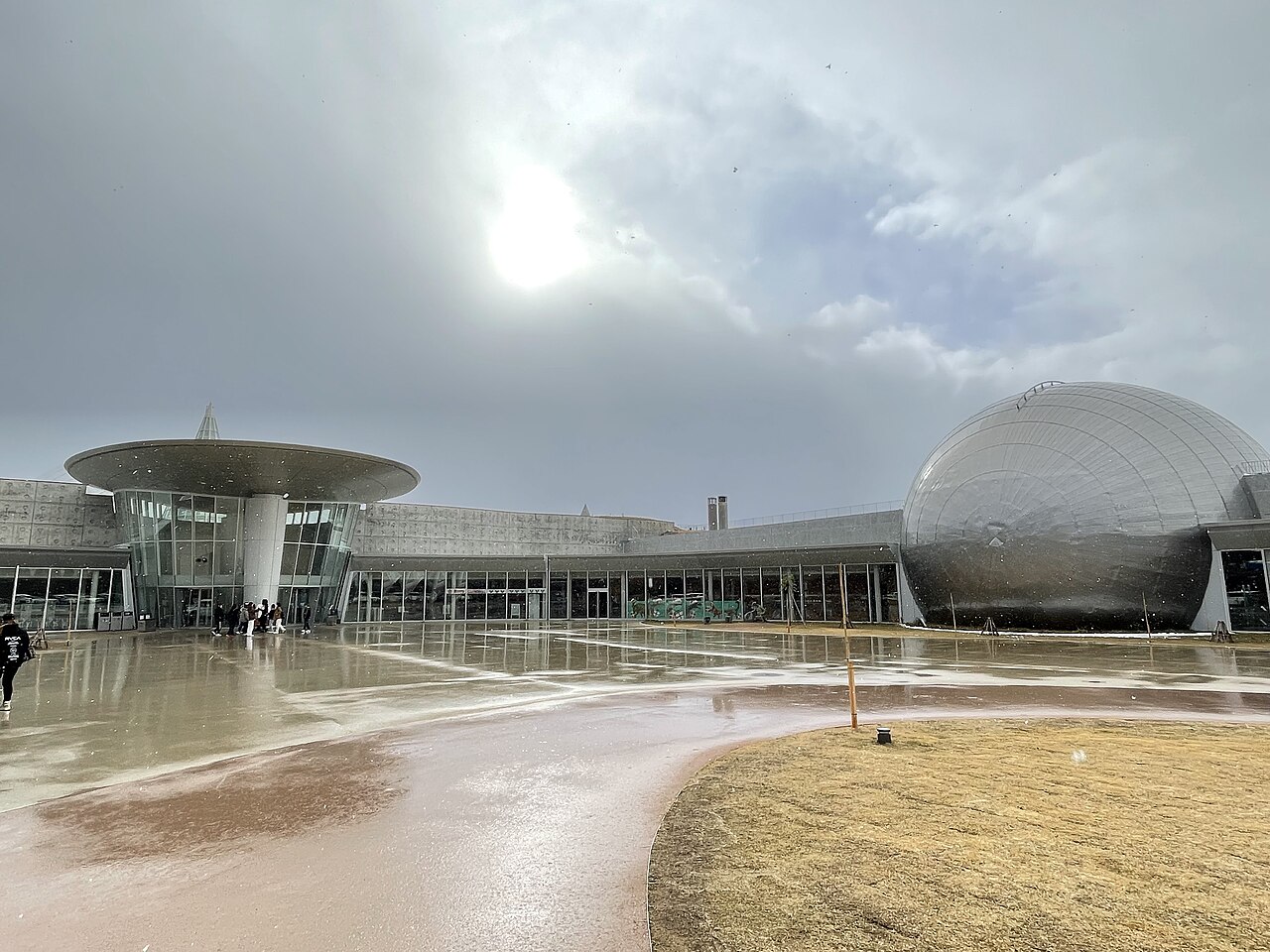
Build a Fukui Dinosaur Museum visit around two linked choices: the ticket or activity you want and the journey to Katsuyama. The permanent exhibition, fossil-research experiences and the separate field-station programme are different products. Sorting those choices before travelling prevents a striking dinosaur photograph from becoming a plan for the wrong experience.
Plan beyond Fukui Station
The museum is in Katsuyama, outside central Fukui. A common public-transport approach involves reaching Katsuyama and completing the local connection to the museum. Use the current official access information to choose the train, bus or other available service for your date.
Do not match a long-distance arrival at Fukui with a museum entry window without accounting for the remaining journey. Transfers, local waiting time and the final walk all belong in the plan. Save the return options too, especially if you must connect with an onward Shinkansen or collect luggage at Fukui Station.
Choose the permanent exhibition first
The official ticket page describes date- and time-designated admission for the permanent exhibition, with advance purchase as the normal arrangement. It notes that same-day tickets are sold at the museum only when capacity remains. Do not make an essential visit depend on that remaining availability.
Choose an entry window that you can reach without rushing, then decide how much time to leave for the collection. A later entry may suit a relaxed morning journey, but it can also reduce the afternoon available for exhibits and the return. Work from the whole day rather than choosing the first slot that appears on a booking screen.
Choose the option that fits your day
| Your situation | Useful choice | Check before committing |
|---|---|---|
| Choose exact ticket | Permanent collection | Field-station tour |
| Reach Katsuyama | Arrive at Fukui | Museum connection and entry |
| Return comfortably | Final science question | Fukui onward transfer |
Distinguish fossil research from the field station
The official ticket information separates fossil-research experiences from the field museum tour. The research programme uses specific activities and eligibility rules; the field programme includes a dedicated bus journey and its own schedule. A permanent-exhibition ticket should not be read as automatic access to either.
If a child is looking forward to digging, identify exactly which programme you mean before booking. Check minimum age, guardian participation, clothing and the time required. The answer may change which admission combination you need and whether the journey from your accommodation is realistic that morning.
A regional introduction to the separate field-station programme. View original
Make the large hall readable
Begin with the overall shape of the exhibition space and the relationship between the skeletons. Then choose a few specimens or scientific questions for closer attention. Looking at posture, limb proportions or skull shape gives you something concrete to compare without requiring detailed prior knowledge.
For children, let them choose one animal to investigate rather than asking them to absorb the entire hall. For adults, use the labels to distinguish what is known from the fossil evidence and how a reconstruction communicates that interpretation. A museum of dinosaurs is also a museum of how scientific knowledge is built.
A local sweets account combines the museum theme with its own product introduction. View original
Protect a break before the final gallery
A visually dense collection can be tiring even when you are enjoying it. Place a rest or meal decision before the group loses concentration. Check the current floor map for the facilities that fit your route, and avoid leaving every practical task until just before a timed activity.
If you are carrying a camera, choose a few useful views rather than repeatedly stopping in the busiest circulation space. One overview and a few details can tell the story well. Let other visitors see the display, and follow any restrictions attached to a particular gallery or temporary exhibition.
Check special exhibitions and workshops separately
A promotional image may concern a temporary exhibition or a programme that is not included in ordinary admission. The museum's ticket page explains the available combinations and the conditions for adding experiences. Read the named product rather than relying on a general description of the museum.
Seasonal changes can also affect a research activity. A programme may use different menus or require preparation days. If one workshop is essential, confirm it before arranging the transport. If the main purpose is the permanent collection, let additional activities remain optional rather than making the whole trip depend on them.
The museum’s official introduction to renovated exhibitions. View original
Leave Katsuyama with a workable connection
Choose the return service before entering the final part of the museum. Include walking to the stop, any local connection and the transfer at Fukui if you are continuing elsewhere. Do not wait until the last gallery closes to begin studying transport options.
A full museum day is a reasonable choice. Adding another distant sight may reduce the time that makes the dinosaur collection worthwhile. On the way back, ask each person what evidence or specimen they found most surprising. That gives the visit a satisfying ending beyond the entrance photograph.
A filmed visitor walk in the Katsuyama museum. View original
Match the kind of dinosaur day to your ticket
A permanent-exhibition day puts the main collection first. Choose a reachable entry window, allow time for the large hall and selected interpretation, and leave a break before the final section. This is a coherent visit without a research programme or a field trip, especially for a first visit with a mixed-age group.
An activity-led day begins with the named programme. Check its eligibility and start time, then work backward through reception, museum arrival and the complete Katsuyama journey. Leave room for instructions and any required equipment. Fit the main collection around that commitment rather than assuming a workshop can be inserted whenever you happen to pass its entrance.
A field-station day has a further transport component because the official programme uses a dedicated bus. Include the full programme and return before adding another destination. Do not read a photograph of an excavation activity as an invitation to travel independently to a working site.
Make the scientific displays engaging
Start with an observation you can see clearly: the shape of a skull, the proportions of a limb or the way a skeleton is supported. Then look for the label that explains its significance. This order keeps the science connected with the object instead of turning the visit into reading text while barely looking up.
Where the museum distinguishes fossils, casts and reconstructions, read those distinctions carefully. Each can help communicate something different. A reconstructed skeleton can show the relationship between bones, while an individual specimen can provide a closer encounter with the material evidence. You do not need to choose only the most dramatic display.
For children, ask them to find evidence for one idea, such as how an animal might have moved. Let the interpretation refine the answer. For adults, notice how an exhibition communicates uncertainty and comparison. Both approaches make a dinosaur museum a place of inquiry rather than a competition to recognise the largest number of names.
Katsuyama ticket questions
Does a time-designated admission mean I must leave after an hour?
The official permanent-exhibition ticket information describes an entry window and states that there is no limit on the stay after admission within the operating day. Read your own ticket’s conditions, particularly when combining it with another programme.
Can I buy a ticket at the museum?
The operator states that advance date-and-time purchase is the normal arrangement, with same-day sales only when capacity remains. An essential trip is easier to plan around a confirmed ticket than uncertain remaining availability.
Is the field museum the same as the main exhibition?
No. It is a separate programme with a dedicated bus and its own participation conditions. Check the exact product name when booking. The main exhibition, research experiences and field programme should not be treated as interchangeable admissions.
Can very young children join every experience?
No. The official information sets different conditions for different programmes. Read the age and guardian requirements before booking, and include every participant according to those instructions. A family can still enjoy the main museum even when a particular research activity is unsuitable.
Keep the exact ticket name in the itinerary
Write the admission or programme name beside the date in your trip notes. If you booked only the permanent exhibition, do not label the day as a fossil-digging visit. Precise wording helps everyone understand what is confirmed and which experiences remain optional.
Keep the confirmation, programme conditions and return transport together. A research activity can have a different reporting time from ordinary admission, while the field programme has its own bus. Treat each named requirement as part of the booking, not a detail to discover after arriving in Katsuyama.
Explain the confirmed activity to children before departure. Clear expectations prevent disappointment when an excavation image describes a different product. The permanent collection can be the main event; it does not need to be presented as a fallback for an experience that was never booked.
For the final gallery, choose one unanswered question and give it focused attention. Then finish with the return route saved. A clear scientific discovery and a workable connection are a stronger outcome than hurrying through every display at closing. Leave an optional souvenir stop until you know how much time remains.
Check the local connection again before setting off from Fukui, particularly when the day's weather could affect travel. Keep the museum's actual contact and ticket instructions available rather than relying on a screenshot from another visitor. If a connection changes, work from your confirmed entry and programme conditions, and use the operator's current guidance to decide how the rest of the day should adapt.
 【絶景】関西を走る謎のローカル線”小浜線”が凄すぎる...!1泊2日の旅
 Jurassic World in Japan: Walking with Realistic Dinosaurs at the Dinosaur Forest in Fukui
 TOKYO, JAPAN (2026) | 15 Best Things To Do In & Around Tokyo (+ Travel Tips)
