
Osaka Museum of Housing and Living: Closure Dates and a Future Visit Plan
On this page
- Start with the closure, not the attractive photographs
- Choose the option that fits your day
- Understand what you are planning to see later
- Save the Tenjinbashisuji Rokuchome approach
- Use the closure period to choose an alternative by purpose
- Read historical streetscapes as environments for living
- Treat kimono photographs as dated activity evidence
- Keep a reopening check in your final trip review
- A useful neighbourhood day during the closure
- How to prepare for the reopened exhibitions
- Closure and reopening questions
- Check the date attached to an attractive example
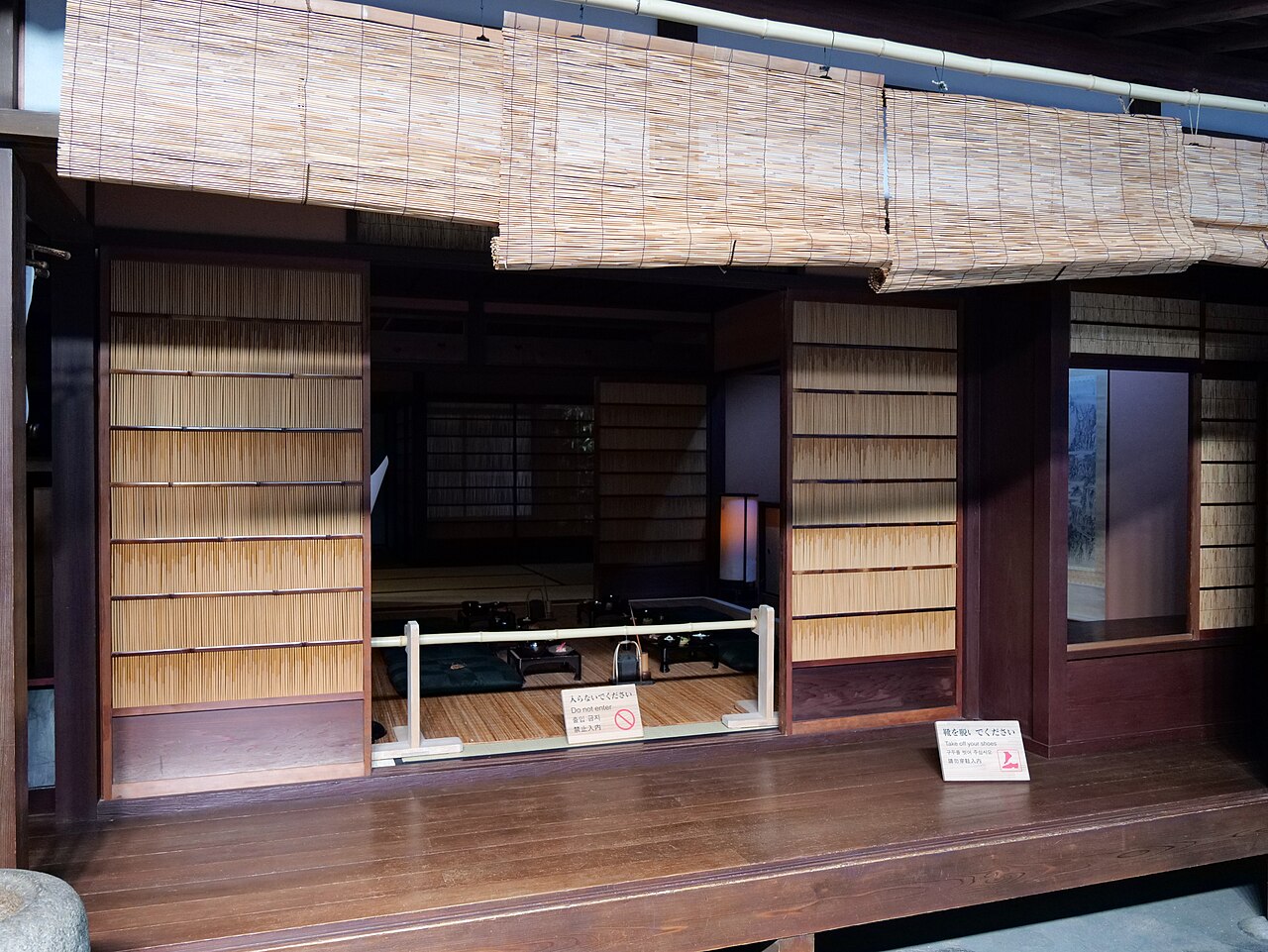
The Osaka Museum of Housing and Living is closed from September 1, 2026 through January 5, 2027, according to its official website. If your trip falls within that period, plan a different activity. If you are preparing a later visit, use the reopening information and current admission guidance before treating photographs of the historic streetscape as a live invitation to enter.
Start with the closure, not the attractive photographs
The museum's official notice is the decisive information for a trip during the closure period. A social post may be recent while showing an earlier visit, and a tourism listing can describe the permanent collection without reflecting every temporary change. Check the operator's notice before travelling to the building.
Do not buy a pass or arrange a tightly timed day solely because an older guide describes the museum as an indoor option. For dates after the announced closure period, confirm that ordinary admission has resumed and check any revised arrangements. The end of a published closure period is useful planning information, but it is not a substitute for a current reopening announcement.
Choose the option that fits your day
| Your situation | Useful choice | Check before committing |
|---|---|---|
| Check visit date | Closed September 1, 2026 | Choose another current activity |
| Later visit | Reopening announcement | Optional activities |
| Read social images | Post date and context | Operator notice first |
Understand what you are planning to see later
The museum's official exhibition information distinguishes the Edo-period streetscape from displays about Osaka in the Meiji, Taisho and Showa periods. That combination lets a visitor connect a walk-through environment with the city's later changes in housing and everyday life.
For a future visit, choose which part interests you most. Someone drawn by the streetscape may want time to study shop fronts and domestic spaces; another visitor may prefer the later urban history. Keeping both in the plan makes the museum more than a single photo setting, while allowing you to spend longer where your interest is strongest.
A view of the Edo streetscape before the present closure. View original
Save the Tenjinbashisuji Rokuchome approach
The museum is associated with the Housing Information Center building in the Tenjinbashisuji Rokuchome area. Use the official access information for the correct station connection and building entrance when admission is operating. A museum located above street level requires more planning than walking to a landmark on the pavement.
Keep the museum and the surrounding shopping district as distinct destinations. During the closure, you can choose a neighbourhood walk on its own terms, but do not assume the exhibition floors or related facilities are accessible. Once the museum reopens, the station-area setting can make a meal or shopping-street stroll a practical addition.
Use the closure period to choose an alternative by purpose
If you wanted shelter from bad weather, choose an attraction whose opening information confirms that it will be available on your date. If your main interest was Osaka's history, look for a current history exhibition or another museum. If you mainly wanted atmospheric street photographs, a neighbourhood walk may satisfy that wish when weather permits.
These are different needs, and one substitute will not suit them all. Decide what mattered about the museum before rearranging the day. That makes the replacement feel intentional instead of like a consolation prize, and it prevents a second trip to a venue whose current operation you have not checked.
An older Osaka Metro introduction to the station-area museum. View original
Read historical streetscapes as environments for living
When the museum is available again, observe how the reconstructed streetscape organises movement and work. Look at a shop front, then at the smaller domestic details behind or beside it. The relationship between commerce and everyday life can make the setting more meaningful than a posed photograph alone.
The later-history section provides a useful contrast. Ask what changed as the city grew and how housing responded. You do not need to memorise every date; noticing one clear difference between two periods can make the exhibition much easier to remember.
Treat kimono photographs as dated activity evidence
Older visitor images may show clothing activities or special experiences. Verify the current availability, ticket method and conditions before building a future visit around one. Use the reopening activity programme to decide whether that experience fits your visit.
If the activity is unavailable, the historic streetscape and interpretation should still justify your choice of museum. If they do not, choose an attraction that better matches the actual purpose of the day. This is especially useful for a short Osaka stay where every reserved slot competes with food, neighbourhoods and transport.
An archival introduction to the housing collection. View original
Keep a reopening check in your final trip review
For a trip after January 5, 2027, return to the museum's official site close to departure and check the specific date you intend to visit. Confirm ordinary opening days, admission, exhibition areas and any continuing restrictions. Save the new information with your route so that everyone in the group is working from the same plan.
Until that check is complete, keep the museum as a flexible option. A good Osaka itinerary can accommodate a change without rearranging the entire trip. The useful outcome is a day that actually works, whether that means a reopened museum or another activity chosen for the same interest.
An archival view before opening; current admission is separate. View original
A useful neighbourhood day during the closure
If your accommodation or other plans already bring you to Tenjinbashisuji Rokuchome, choose the neighbourhood for its own contemporary life. A shopping-street walk and a meal can be worthwhile without pretending that the museum is open. Keep the route simple and check individual businesses on the day, rather than relying on the museum’s former visitor flow.
If the museum was your reason for making a special journey, consider changing the district instead. A replacement should answer the original need: an indoor cultural activity, a history collection, a family outing or a photography walk. Those purposes lead to different choices, and identifying the need prevents a hurried substitution that disappoints everyone.
Keep the closed museum out of any timed reservation chain. There is no benefit in travelling to its entrance simply to confirm a closure already announced by the operator. Save the official notice, rearrange the day and return to the museum as a future option when current information supports it.
How to prepare for the reopened exhibitions
For a later visit, start by reading the newly published visitor information rather than assuming every former activity returns in the same form. Check which floors and exhibitions are available, how admission works and what the regular closing days are. These practical details establish whether the museum fits your date.
Then choose a way to look at the collection. One route can follow commerce and domestic life through the Edo streetscape; another can compare that environment with the later-history displays. In either case, ask how an ordinary resident would move, work and use the spaces. This makes a reconstructed street feel like an exhibition about living rather than a backdrop alone.
Keep a few photographs of the museum as inspiration, but label them mentally as examples of the collection at a particular time. A post’s upload date and the date of the visit can differ. Your practical plan should come from the operator’s current information, while the images help you decide what interests you.
Closure and reopening questions
Is the museum open during November 2026?
The official site announces closure through January 5, 2027. A November 2026 plan should therefore use another activity. Do not infer access from an older tourism listing or a recent social upload.
Does January 6 automatically guarantee my preferred activity?
Check the operator’s reopening and activity information for your actual date. The announced closure range provides a boundary for planning, but individual exhibitions, regular closing days and optional programmes still need their own confirmation.
Can I at least enter the exhibition floors during the closure?
Do not assume so. Follow the museum’s official notice and building guidance. Confirm museum-floor access through the museum’s own reopening notice.
Should I keep it on a future Osaka wish list?
Yes, if the combination of the Edo streetscape and later housing history interests you. Keep it as a flexible item until reopening arrangements are confirmed. The useful next step is checking the actual visit date, rather than making a reservation elsewhere based on an assumed museum finish time.
Check the date attached to an attractive example
During a closure, visual material is easy to misinterpret. A photograph uploaded this week may come from a visit months earlier, and a video can remain popular long after an activity changes. Look for the visit context, then use the operator’s notice for present access.
Keep that distinction when sharing a plan. Say whether the museum is a future option or an activity available during the trip you are taking now. Sending an attractive post without the closure information can lead a companion to arrange transport on the wrong assumption.
For a later visit, note the features you want to see: the streetscape, a kind of interior or the later-history displays. Once reopening information is available, compare that list with the operating exhibitions. The images then become useful preparation instead of an outdated itinerary.
Apply the same method to a replacement during the closure. Choose the need, check current opening information and only then add the route. That sequence is more reliable than selecting the first photogenic venue in a social search. It also gives the group a clear reason for the replacement.
 OSAKA Places We Wish We Knew Earlier 🌧️ Rainy Day in Osaka City | JAPAN VLOG
 A Night Alone in Japan 🇯🇵 Making Tonkatsu & Visiting My Hometown with Family 🚗 Vlog
